Overdose Research Update, 28 June 2026: Xylazine, Sedative Overdose and Naloxone Access
post on 30 Jun 2026 · Updated 02 Oct 2026
post on 30 Jun 2026 · Updated 02 Oct 2026
 Medical Toxicologymedicaltoxic.com
https://medicaltoxic.com/news/overdose-research-update-june-28-2026-xylazine-naloxone
Overdose Research Update, 28 June 2026: Xylazine, Sedative Overdose and Naloxone Access
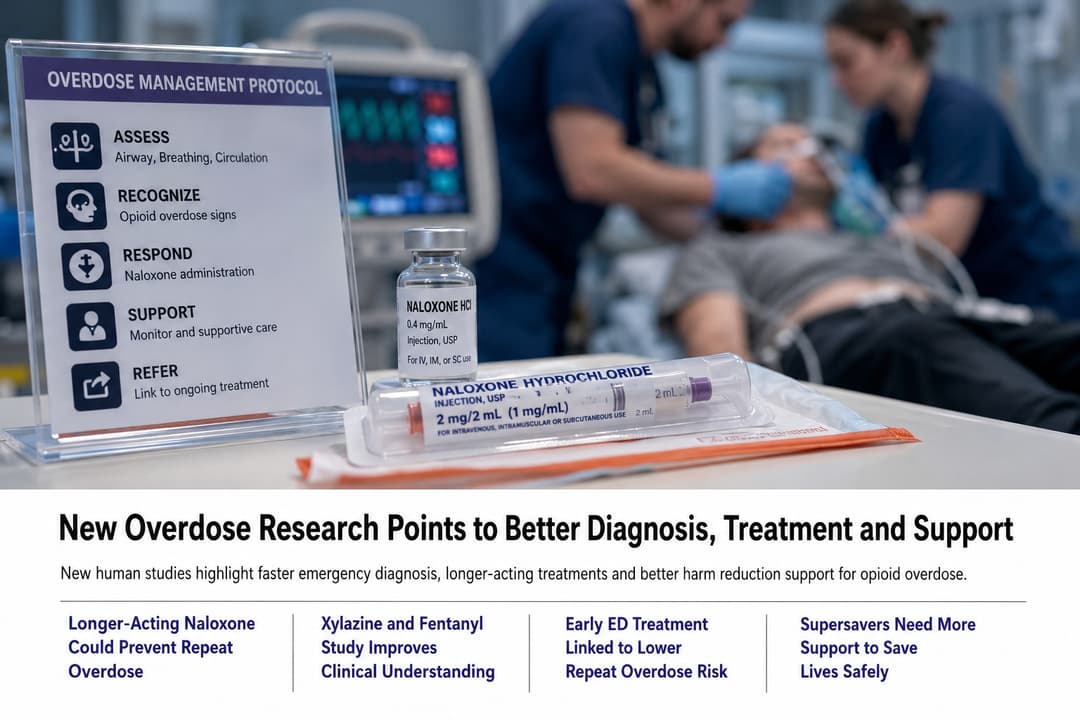
New human research published this week points to better ways of recognising high-risk overdose patients, improving emergency monitoring and expanding community overdose response.
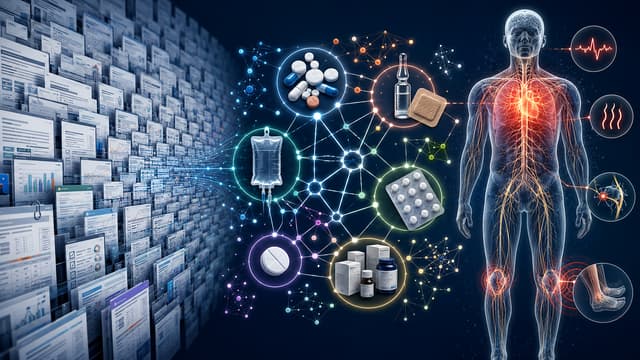
The latest studies focus on several urgent areas in overdose care: xylazine and fentanyl exposure, sedative overdose deterioration, calcium channel blocker overdose, naloxone distribution and opioid overdose risk prediction.
Most of the evidence is observational, and some findings still need prospective validation. But together, the papers show how overdose care is becoming more data-driven, more specific and more closely linked to harm reduction.
One of the most clinically important studies examined patients presenting to emergency departments after non-fatal opioid overdose with both xylazine and fentanyl exposure [A].
Researchers studied 13 adults in two urban emergency departments in the United States. All patients had detectable xylazine and fentanyl in blood, and five also had medetomidine.
The study found that the elimination half-life of xylazine was longer than expected from veterinary data. This matters because xylazine is increasingly detected in illicit fentanyl supplies and may contribute to prolonged sedation.
Naloxone remains essential for suspected opioid overdose, but xylazine itself is not reversed in the same way as opioids. This limitation is discussed in more detail in Fentanyl + Xylazine (‘Tranq’): Why Naloxone Alone Isn’t Enough. Better understanding of xylazine pharmacokinetics may help clinicians decide how long patients need monitoring after apparent reversal. For clinical context on repeat naloxone dosing and complex synthetic opioid overdose, see Naloxone in Xylazine, Nitazenes, and Fentanyl Analogue Overdose.
A large Australian study looked at 374 patients with sedative overdose, including benzodiazepines, opioids and gamma-hydroxybutyrate [B]. This also connects with “Space Oil” and Etomidate in the Drug Supply: Hidden Sedation and Adrenal Crisis, which covers emerging sedative exposure in the drug supply.
The researchers found that lower Glasgow Coma Scale, reduced venous pH and ingestion of higher-risk sedative agents were linked with clinical deterioration.
Lower venous pH was associated with intensive care admission, intubation and in-hospital complications. The study also found that the probability of intubation rose sharply as acidaemia worsened.
The findings suggest that emergency overdose assessment should not rely only on consciousness level. Early physiological markers, especially venous pH, may help identify patients who are more likely to deteriorate.
Calcium channel blocker overdose can cause life-threatening shock, but the type of shock can vary.
A new clinical paper proposed an echocardiography-guided flowchart to help distinguish vasoplegic shock from cardiogenic shock at the bedside [C].
The proposed approach uses point-of-care ultrasound to guide treatment choices, including vasopressors, calcium, high-dose insulin, pacing and extracorporeal support.
This is not yet a validated clinical guideline. However, it offers a practical framework for a dangerous overdose where early treatment decisions can be difficult and time-critical.
A mixed-methods evaluation of a statewide naloxone distribution programme in Illinois found that increased naloxone availability was associated with more reported overdose reversals [D].
The programme provided free nasal naloxone through an online portal to community organisations, hospitals and clinics.
Researchers reported that no-cost access and simple ordering helped organisations distribute naloxone more effectively. The study also highlighted the importance of reducing stigma and improving harm reduction education.
The findings support low-barrier naloxone access as a key part of overdose prevention, particularly because many opioid overdoses occur before emergency services arrive.
A qualitative study from Skåne county in Sweden focused on “Supersavers” — people who had administered naloxone on three or more overdose occasions [E].
The study found that these peer responders often carry a major practical and emotional burden. They may have strong overdose-response skills and high trust within their communities, but repeated exposure to overdose can cause cumulative strain.
The findings suggest that harm reduction programmes should not only provide naloxone and training. They should also offer accessible healthcare and emotional support for people repeatedly reversing overdoses.
A study using Alabama Medicaid data developed machine learning models to predict opioid overdose risk among beneficiaries with opioid prescriptions [F].
The models used administrative claims data and identified risk factors including prescription pattern changes, age and prescription denials.
This is not a bedside diagnostic tool, but it may help health systems identify people at higher overdose risk and target prevention earlier. This predictive-care direction aligns with The Intersection of Machine Learning and Poisoning Cases: A New Era in Predictive Healthcare.
Any use of predictive models in overdose prevention would need careful oversight to avoid bias, stigma or inappropriate restriction of treatment.
Another study examined whether fentanyl findings in urine drug testing could reflect regional overdose mortality trends in the United States.
Researchers analysed more than two million urine drug test specimens and found that fentanyl concentration and prevalence varied by region and were associated with synthetic opioid-involved overdose deaths [G].
This finding is more useful for public health surveillance than individual emergency diagnosis. It may help local health departments detect changing overdose risk earlier and respond to shifts in the illicit drug supply. For clinicians interpreting toxicology results, Drug Screens Lie: A Clinician’s Guide to Interpreting Toxicology Tests Safely provides important background.
A retrospective study from Western China examined patients hospitalised after suicide attempts by drug overdose [H].
The study identified adolescent females and people with depressive disorders as important groups for targeted prevention. It also found that adults were more likely than adolescents to return home without psychiatric follow-up after treatment.
This does not change acute overdose resuscitation, but it highlights an important gap after survival. Overdose care should include mental health assessment, continuity of care and prevention of recurrence. A clinically relevant case-based companion is Overdose in the Night: A Deadly Encounter with Imipramine.
This week’s overdose research does not introduce a single new universal treatment. Instead, it points to several practical improvements in emergency care and public health response.
The clearest messages are that xylazine exposure may require careful monitoring, sedative overdose risk assessment should include early physiological markers, calcium channel blocker overdose may benefit from ultrasound-guided treatment decisions, and naloxone access should remain as simple and broad as possible. For readers who want a broader emergency-medicine overview, Emerging Threats in U.S. Emergency Rooms: Fentanyl Overdose and Synthetic Cannabinoid Dangers expands the same clinical risk theme.
The studies also show that overdose prevention is not only a hospital issue. Peer responders, public health surveillance, predictive models and follow-up care all play a role in reducing harm after overdose.
Most findings still need further validation. But the direction is clear: overdose care is moving towards earlier recognition, more specific treatment decisions and stronger community-based response.
The strongest papers selected for this week’s clinical overdose update were those most relevant to diagnosis, treatment, risk assessment, monitoring or overdose response.
Selected papers included studies on xylazine and fentanyl pharmacokinetics, sedative overdose deterioration, calcium channel blocker overdose treatment pathways, naloxone distribution, peer overdose responders, opioid overdose risk prediction, fentanyl surveillance and follow-up after intentional drug overdose.
Lower-priority papers were not excluded because they lacked value, but because they were less directly related to diagnosis or treatment updates for this week’s clinical news focus.
Keep reading
Latest Research and Studies
29 Sept 2026 · Updated 02 Oct 2026
Latest Research and Studies
19 Sept 2026 · Updated 01 Oct 2026
Latest Research and Studies
05 Aug 2026 · Updated 01 Oct 2026
Latest Research and Studies
27 Jul 2026 · Updated 01 Oct 2026