Food and Drug Toxicology
How to Define Analgesia: What Percocet and Vicodin Really Do (And Why Countries Regulate Them Differently)
Amirhosein Shabrang
Post on 05 Jul 2026 · Updated 26 Sept 2026 · 20 min read

Amirhosein Shabrang
Post on 05 Jul 2026 · Updated 26 Sept 2026 · 20 min read
 Medical Toxicologymedicaltoxic.com
https://medicaltoxic.com/blogs/how-to-define-analgesia-percocet-vicodin-regulation

Patients and healthcare providers who understand the pharmacological basis of Percocet and Vicodin — and the distinct regulatory logic governing their use across nations — are better positioned to make sound, evidence-informed pain management decisions.
Analgesia produces pain relief without loss of consciousness, a fundamental distinction from anesthesia, which eliminates all sensation; this difference carries significant clinical implications for patient awareness and monitoring during treatment.
Percocet contains oxycodone; Vicodin contains hydrocodone — both formulated with acetaminophen to produce synergistic analgesia through dual mechanisms acting on separate physiological pathways.
Physical dependence may develop within days of opioid initiation, with one in four long-term users meeting criteria for addiction; doses exceeding 100 morphine milligram equivalents carry more than twice the overdose risk compared to lower doses.
Acetaminophen toxicity accounts for 56,000 emergency department visits annually in the United States, prompting the FDA to mandate a 325 mg per dose ceiling for combination products — a policy change that demonstrably reduced hospitalizations.
Regulatory classifications differ considerably across jurisdictions: the United States designates both medications as Schedule II controlled substances with no refill authorization; Australia's complete ban on over-the-counter codeine reduced overdose rates by 51%; several Asian nations enforce supply limits ranging from 5 to 60 days.
Multimodal analgesia protocols mitigate opioid reliance by incorporating multiple drug classes and intervention techniques, enabling dose reduction across individual agents while preserving adequate pain control.
The variation in global regulatory frameworks is not incidental — it reflects each nation's documented encounter with opioid-related harm, weighed against the clinical necessity of adequate pain relief. Documented patterns of addiction, overdose mortality, and acetaminophen-induced hepatotoxicity have each shaped distinct legislative responses.
Approximately one in five U.S. adults reported chronic pain in 2019, with associated economic costs estimated between $560 and $635 billion annually1. Opioid-acetaminophen combinations such as Percocet and Vicodin remain central to the pharmacological management of moderate to severe pain, yet the legal frameworks governing their prescription and dispensing differ substantially across countries. This article defines analgesia in medical and pharmacological terms, examines the mechanisms underlying these combination products, considers the clinical rationale for multimodal analgesia, and analyzes the factors driving divergent international regulatory positions. For readers who want a policy-focused companion piece, FDA Introduces New Warning Labels for Opioids. Will It Make Any Difference? explains how opioid labeling changes reflect evolving public health concerns.
The medical term analgesia carries a deceptively simple definition: pain relief2. Etymologically derived from Greek, the word translates literally as "without pain"3. That simplicity, however, conceals a sophisticated physiological process—one that permits patients to experience substantially reduced or entirely eliminated pain while retaining full consciousness, awareness, and other intact sensory capacities. The clinical definition of analgesia is most precisely understood when placed alongside related interventions that alter sensation through fundamentally different mechanisms.
Analgesia achieves pain relief without producing loss of consciousness or abolishing the total range of feeling and motor function4. Anesthesia, by contrast, induces a generalized loss of physical sensation4. The practical significance of this difference lies in what each intervention selectively suppresses: anesthesia extinguishes all sensations including pain, whereas analgesia acts with specificity upon pain pathways alone5. A patient under analgesia remains conscious, responsive, and cognitively intact despite experiencing diminished or absent pain. Anesthesia, more broadly, eliminates touch, pain, and temperature sensations—with or without accompanying loss of awareness6. Critically, while anesthesia subsumes some degree of analgesia within its effects, the reverse relationship does not hold6.
The mechanistic basis for anesthesia further distinguishes it from analgesia. Local anesthetics injected near peripheral nerves block sodium channels on the nerve membrane, generating voltage-dependent inhibitory effects6. Notably, thinner nerve fibers conducting signals at higher velocities—pain fibers among them—are blocked more readily than their larger counterparts6. General anesthetics depress central nervous system activity primarily through potentiation of the inhibitory neurotransmitter GABA6. These mechanisms operate along entirely separate pathways from those targeted by analgesic agents.

The pharmacology of analgesia encompasses several distinct mechanisms of action. Analgesic agents exert their effects through inflammation blockade, opioid receptor activation, suppression of electrical activity in pain-conducting neurons, and modulation of descending pain pathways5. Prostaglandins—hormone-like lipid compounds produced by the body as part of its inflammatory defense response—sensitize peripheral nerve endings to nociceptive stimuli5. Their biosynthesis depends on two categories of cyclooxygenase enzymes, designated COX-1 and COX-25. Pharmacological inhibition of these enzymes interrupts both the inflammatory cascade and the pain activation sequence that follows, which accounts for the efficacy of COX-inhibiting drugs across numerous analgesic formulations5.
Opioid analgesics operate through a fundamentally different mechanism, engaging the same receptor systems the body utilizes for its intrinsic pain-suppression processes5. Receptor activation permits specific regions of the nervous system to generate descending pain-inhibitory impulses5. A separate class of analgesics exploits the electrochemical properties of pain-conducting cells, restricting cellular uptake of electrolytes such as sodium, calcium, and potassium5. When electrolyte flux is curtailed in nociceptive cells, the capacity of those cells to sustain pain signaling diminishes accordingly5.
Nociceptors—the specialized nerve endings responsible for detecting pain—are distributed throughout most body tissues and respond exclusively to stimuli that are damaging or that carry the potential for tissue damage7. Upon encountering such stimuli, these receptors initiate afferent nerve signals directed toward the spinal cord and brain, setting in motion the neurological sequence that culminates in the conscious experience of pain8. Activation can be triggered by three principal stimulus categories in peripheral tissues: mechanical forces such as pressure or pinching, thermal stimuli in the form of heat, and chemical agents7.
The structural unit comprising both the sensitive terminal nerve ending within tissue and its associated afferent nerve constitutes what is termed the primary afferent nociceptor7. Tissue injury at any body site prompts these receptors to release neurotransmitters—chemical messengers that propagate pain signals centrally9. These signals travel through peripheral nerves to the dorsal horn of the spinal cord and ascend from there to supraspinal structures9. The primary afferent nociceptor synapses with second-order pain-transmission neurons within the spinal cord, which carry the signal through well-defined ascending tracts to higher processing centers: the brain stem reticular formation, thalamus, somatosensory cortex, and limbic system7. Final pain perception is mediated predominantly at the level of the thalamus and cortex7, and the intensity of the perceived pain correlates directly with the frequency of discharge generated by activated nociceptors7.
Both medications combine opioid compounds with acetaminophen, producing dual-action formulations prescribed for moderate to severe pain. Their precise pharmacological composition explains why these drugs occupy a central position in contemporary pain management protocols.
Oxycodone appears in Percocet formulations, while hydrocodone constitutes the opioid base in Vicodin10. Both qualify as semisynthetic opioids, substances that are chemically manufactured yet derived from alkaloids originally found in the opium poppy1112. The synthesis pathways differ substantially between them. Oxycodone is produced from thebaine10, whereas hydrocodone is synthesized by isolating codeine from poppy seeds10. This difference in production confers each drug a distinct pharmacological profile, including variations in clinical application and side effect presentation. Notably, hydrocodone carries antitussive properties10 — a characteristic oxycodone does not share.
Oxycodone functions as a semisynthetic pure opioid agonist13. Hydrocodone operates as a full opioid agonist, binding primarily to μ receptors and, at higher concentrations, to δ receptors as well14. Both compounds are available in immediate-release tablets and extended-release formulations15. Oxycodone is additionally formulated in combination with nonsteroidal anti-inflammatory drugs, including aspirin and ibuprofen11, while hydrocodone is similarly available in ibuprofen-containing preparations15.
Acetaminophen functions as a non-opiate, non-salicylate analgesic and antipyretic13 — an over-the-counter analgesic agent that reduces pain and fever without producing physical dependence under standard long-term use16. Its analgesic mechanism remains incompletely characterized, though current evidence points to COX inhibition and activation of descending serotonergic inhibitory pathways within the central nervous system14.
The hepatotoxic potential of acetaminophen warrants particular attention. High doses can produce significant liver damage16, including fulminant hepatic failure necessitating transplantation or resulting in death17. For a clinical tool focused specifically on acetaminophen overdose risk stratification, see RumackCalc: Fast, Accurate Acetaminophen Overdose Assessment. Responding to these documented risks, the FDA mandated in January 2011 that all prescription combination acetaminophen-opioid products contain no more than 325 mg of acetaminophen per dosage unit — down from the prior ceiling of 750 mg18. Data from subsequent years demonstrated a measurable decline in rates of acute liver failure and opioid-acetaminophen-related hospitalizations following this regulatory adjustment18.
The fixed-dose pairing of an opioid with acetaminophen produces synergistic analgesic action19. Acetaminophen suppresses prostaglandin synthesis responsible for peripheral pain sensitization, while oxycodone and hydrocodone attenuate pain processing at the level of the central nervous system11. The synergy between these two mechanisms permits reduced individual drug doses without proportional loss of therapeutic effect19. Clinical data confirm that combination products demonstrate increased analgesic efficacy relative to their constituent components administered independently, without a commensurate increase in adverse effects14.
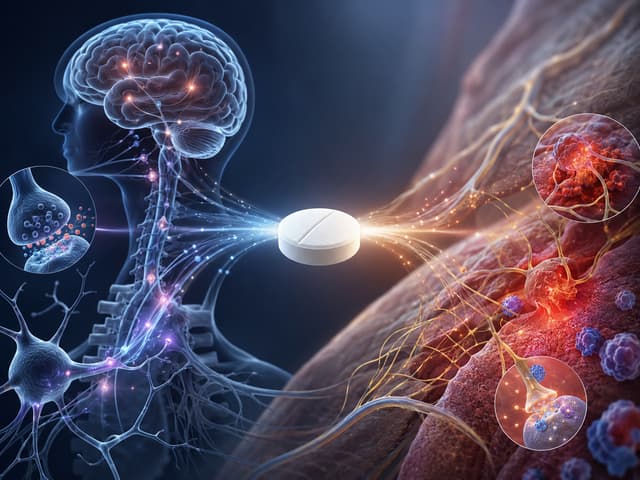
Percocet tablets are available in six strength combinations: 2.5 mg/325 mg, 5 mg/325 mg, 7.5 mg/325 mg, 7.5 mg/500 mg, 10 mg/325 mg, and 10 mg/650 mg of oxycodone hydrochloride and acetaminophen respectively13. Vicodin is manufactured in three formulations: 5 mg/300 mg, 7.5 mg/300 mg, and 10 mg/300 mg2021.
Dosing intervals and maximum daily quantities differ between products. Percocet is typically prescribed every 6 hours as needed22, while Vicodin is administered every 4 to 6 hours20. For Percocet 5 mg/325 mg, the maximum daily allowance is 12 tablets22; for Vicodin 5 mg/300 mg, the upper limit stands at 8 tablets per day20. These prescribed ceilings reflect both the opioid load and the cumulative acetaminophen exposure — a consideration that becomes clinically significant when patients concurrently use other acetaminophen-containing preparations. This is also why acetaminophen-containing prescriptions should be evaluated carefully alongside resources such as Acetaminophen Toxicity Calculator: A handy Tool for Healthcare Professionals.
"The problem in the field is we’ve lacked the molecular understanding of the interplay between opioid peptides and their receptors." — Bryan L. Roth, MD, PhD, Co-senior author and the Michael Hooker Distinguished Professor of Pharmacology
Opioids rank among the most effective analgesics available, with their pain-relieving capabilities rooted in specific molecular interactions within the nervous system23. The mechanisms underlying this relief extend well beyond simple receptor binding — they involve coordinated biochemical cascades that suppress neuronal excitability at multiple levels.
Oxycodone and hydrocodone bind to opioid receptors, which are G-protein-coupled receptors distributed throughout the brain, spinal cord, and peripheral tissues23. Both compounds show strongest affinity for mu-opioid receptors, though they also interact with delta and kappa receptors as concentrations increase2425. The binding event itself is precise: when an opioid molecule attaches to the receptor's extracellular domain, it triggers guanosine diphosphate exchange for guanosine triphosphate on the G-alpha subunit, causing dissociation from the G-beta-gamma dimer26.
This molecular event initiates a cascade with several downstream consequences. Adenylate cyclase becomes inhibited, reducing cyclic adenosine monophosphate production24[181]. The G-beta-gamma subunit then directly interacts with N-type voltage-gated calcium channels, inhibiting calcium influx into presynaptic neurons and blocking neurotransmitter release26. Simultaneously, the G-alpha protein subunit activates inwardly rectifying potassium channels, producing cellular hyperpolarization2326. The combined result of these processes is a measurable reduction in neuronal excitability and suppression of pain signal transmission from peripheral nerves to the spinal cord and brain2327.
Acetaminophen operates through an entirely separate biochemical pathway, which is precisely what makes the fixed-dose combination clinically significant. The drug metabolizes to AM404, a compound that acts on TRPV1 receptors in the spinal dorsal horn and cannabinoid receptors in the brain28. This metabolite directly inhibits excitatory synaptic transmission on C-fiber terminals28. Studies demonstrate that combining optimal doses of acetaminophen with oxycodone or hydrocodone produces additive analgesic effects greater than doubling either constituent alone29. This interaction permits lower individual drug doses while preserving sufficient pain relief — a pharmacological advantage with direct implications for managing acetaminophen toxicity risk and opioid dose-dependent adverse effects3018.
The temporal profiles of these two opioid components are closely matched, though not identical. Immediate-release oxycodone begins working within 10 to 30 minutes, reaches peak effect at 1 hour, and sustains pain relief for 3 to 6 hours2431. Hydrocodone shows comparable timing, with onset at 10 to 30 minutes, peak plasma concentration at 30 to 60 minutes, and a duration of 4 to 6 hours31[181]. Extended-release formulations alter this profile substantially — hydrocodone extended-release reaches peak concentration between 6 to 30 hours, depending on dose25.
Multimodal analgesia targets multiple pain pathways simultaneously using different drug classes and techniques32. The rationale is pharmacologically sound: engaging distinct mechanisms reduces postoperative pain and total opioid consumption while limiting adverse effects associated with high doses of any single agent3233. Opioid-acetaminophen combinations integrate naturally into such protocols because they already engage two separate mechanisms — opioid receptors for central pain modulation and acetaminophen's peripheral and central anti-nociceptive effects3435. Clinical trials confirm that acetaminophen enhances opioid analgesia without proportionally increasing the adverse effect burden3436, which positions these fixed-dose combinations as pharmacologically rational components within protocols that prioritize both efficacy and patient safety. This broader clinical logic connects with How Mechanistic Medical Toxicology Is Shaping Next-Generation Patient Care, which explains why mechanism-based thinking matters in toxicology practice.
"The risk of drug-related overdose increases with increased opioid dosing, and there is no threshold dividing 'safe' from 'toxic' dosing." — American College of Medical Toxicology (ACMT), Professional organization focused on medical toxicology
Regulatory frameworks surrounding these medications stem from documented patterns of harm that emerged as prescription rates climbed. The risks fall into distinct categories that collectively shape oversight policies worldwide.
Physical dependence and addiction to opioids may occur within as little as a few days37. Among patients receiving long-term opioid prescriptions in primary care settings, as many as one in four struggles with opioid addiction37. For more on treatment strategy beyond risk recognition, New Challenges and Innovations in Treating Opioid Use Disorder Amidst the Fentanyl Crisis explores how opioid-use-disorder care is changing. Doses exceeding 100 morphine milligram equivalents carry over twice the overdose risk relative to lower doses, though even the 20 to 50 MME range presents measurable risk37.
Established risk factors for opioid misuse include past or current substance abuse, untreated psychiatric disorders, younger age, and social or familial environments that reinforce misuse behaviors38. Opioid mortality prevalence is disproportionately concentrated among middle-aged individuals with concurrent substance abuse and psychiatric comorbidities38. Percocet demonstrates stronger potency than Vicodin, and the clinical literature consistently associates higher-potency opioids with elevated misuse potential39.
Acetaminophen toxicity holds the distinction of being the second most common reason for liver transplantation worldwide and the leading cause of acute liver failure in the United States40. The substance accounts for 56,000 emergency department visits and 2,600 hospitalizations annually within the United States, with 500 resultant deaths41. Approximately 50% of these poisonings are classified as unintentional41, frequently occurring when patients consume multiple acetaminophen-containing products without recognizing the cumulative exposure40. For comparison with other medication-overdose content, Can You Overdose on Seroquel? Symptoms, Treatment, and Safety Guide shows how prescription-drug toxicity can require drug-specific monitoring and supportive care.
A particularly significant finding: 63% of unintentional acetaminophen overdoses involve opioid-acetaminophen combination products42. The FDA responded in 2014 with guidance advising against combination prescription analgesics containing more than 325 mg of acetaminophen per dosage unit41. Subsequent analysis of National Inpatient Sample data confirmed that this dosage ceiling correlated with measurable annual reductions in hospitalizations attributable to acetaminophen and opioid toxicity41.

State-level interventions reflect the severity of identified risks. New York State mandates that prescribers co-prescribe an opioid antagonist alongside the first opioid prescription each year when specific risk factors are present—particularly daily doses exceeding 90 morphine milligram equivalents or concurrent benzodiazepine use43. When opioid toxicity is suspected, Naloxone in Xylazine, Nitazenes, and Fentanyl Analogue Overdose provides a focused discussion of naloxone’s role and limitations in modern overdose care. Initial opioid prescribing for acute pain conditions is restricted to a 7-day supply43.
Patient-controlled analgesia (PCA) refers to systems that permit patients to self-administer preset opioid doses within clinician-defined parameters. PCA-related errors documented between 2002 and 2011 encompassed 460 cases of patient harm, including 5 fatal outcomes44. Respiratory depression incidence in postoperative patients ranges from 0.1% to 23.7%, depending on the definitional criteria applied45. Monitoring protocols accordingly require frequent, structured assessments of pain scores, sedation levels, and respiratory rates—most critically during the initial 24-hour postoperative period44.
National frameworks governing opioid-acetaminophen combinations encode each country's cumulative experience with opioid-related harm — the patterns of misuse, overdose mortality, and liver toxicity that accrued as prescription volumes expanded over decades. The result is a patchwork of controls that prioritizes different risks and reflects markedly different assumptions about clinical necessity versus abuse prevention.
Both Percocet and Vicodin fall under Schedule II classification46, a designation reserved for substances carrying high abuse potential alongside accepted medical use. Schedule II status carries structural consequences: these medications cannot receive pharmacy refills47, prescriptions must be issued in written form or transmitted through approved electronic prescribing systems47, and patients are restricted to a single 90-day supply before a healthcare professional consultation is required48. A pharmacovigilance-focused companion article, What Is FAERS and Why It Matters in Medical Toxicology, helps explain how postmarketing safety signals influence drug-safety oversight.
State-level policy has reinforced federal controls substantially. By 2019, 39 states had enacted opioid prescribing limitation laws, up from just 10 states in 201649. Duration restrictions proved the most common instrument, with 7 days representing the predominant limit across jurisdictions, though ranges extended from 3 to 31 days49. Fourteen states went further by imposing dosage ceilings, with thresholds set between 30 and 120 morphine milligram equivalents daily49.
The UK adopted earlier, more targeted restrictions. Codeine pack sizes were capped at 32 pills in 2009, with explicit warnings against use exceeding three days50 — an intervention that preceded the dramatic increases in codeine-related mortality recorded in subsequent years. Codeine-related deaths in England and Wales climbed from 24 in 1993 to 200 in 202150, a trajectory that illustrates the limits of pack-size restrictions as a singular control measure. Across the broader European Union, opioid consumption rose nearly 40%51, reflecting persistent tension between pain management access and abuse prevention that no single regulatory instrument has resolved.
Canada pursued a more pharmacist-centered model, with Health Canada issuing exemptions permitting pharmacists to dispense narcotics, transfer prescriptions, and adapt controlled substance prescriptions52 — an approach that extended the supervised dispensing network without restricting access categorically.
Australia took the most decisive action among comparable high-income nations. A complete ban on over-the-counter codeine sales, implemented in February 2018, produced a 51% reduction in codeine overdoses overall and a 79% reduction in low-strength codeine overdoses within a single year50. The Australian data represent the most clearly documented regulatory outcome in this area, providing measurable evidence that access restrictions at the point of sale produce quantifiable harm reduction.
Regulatory architecture across Asia reflects both institutional capacity and historical experience with controlled substances. Six countries — Afghanistan, Bangladesh, Kazakhstan, Myanmar, Pakistan, and the Philippines — require patient registration across all opioid categories53. Supply duration limits vary considerably: Afghanistan restricts prescriptions to 5 days, while Cambodia, Laos, China, Mongolia, and Myanmar enforce 7-day ceilings53. Bangladesh, Kazakhstan, Pakistan, and Vietnam permit 10 to 14-day supplies53. Malaysia allows prescriptions of up to 60 days, whereas South Korea and China-Hong Kong impose no formal time restrictions53.
The requirement that patients obtain prescriptions from qualified healthcare providers represents near-universal consensus54. Beyond that baseline, the divergence is substantial and structurally meaningful. Countries with documented histories of high prescription opioid misuse have typically responded with duration limits, dosage thresholds, and scheduling restrictions. Nations where institutional healthcare infrastructure limits prescriber oversight have gravitated toward registration systems and supply constraints. Cultural frameworks surrounding pain treatment and addiction — specifically, whether addiction is approached as a medical condition or a disciplinary one — shape both the design and the stringency of controls. The regulatory map, read carefully, is a record of each country's encounter with opioid harm rather than a set of arbitrarily imposed barriers to clinical practice. The same policy logic appears in Understanding the Risks of Tianeptine: FDA Warnings and Health Implications, where regulatory concern centers on misuse, toxicity, and public-health risk.
We've explored how Percocet and Vicodin deliver powerful analgesia through their dual-action mechanisms, yet carry substantial risks that prompted dramatically different regulatory responses worldwide. In light of these findings, patients and prescribers must recognize that effective pain management requires balancing therapeutic benefits against addiction potential and acetaminophen toxicity risks. For readers seeking emergency guidance, Poison Control: Your Lifeline in Emergencies explains when professional toxicology support can be critical.
For the most part, stricter prescription controls reflect each nation's experience with opioid-related harm rather than arbitrary restrictions. Equally important is understanding that these medications work best within multimodal analgesia protocols, where combining different pain relief approaches reduces reliance on any single drug class while maintaining effective symptom control. Knowledge remains your strongest defense against misuse.
Q1. What makes Percocet different from Vicodin in terms of strength and risk? Percocet contains oxycodone while Vicodin contains hydrocodone as their opioid components. Percocet is generally considered stronger than Vicodin, and with higher potency comes an increased risk of misuse and addiction. Both medications combine their respective opioids with acetaminophen and are prescribed for moderate to severe pain, but they should only be used exactly as directed by a healthcare provider for short-term treatment.
Q2. How does analgesia differ from anesthesia? Analgesia provides pain relief while allowing patients to remain conscious and maintain other sensory functions and movement. Anesthesia, on the other hand, produces a loss of all physical sensations including touch, pain, and temperature, often with loss of consciousness. While anesthesia always includes some degree of pain relief, analgesia specifically targets pain without blocking other sensations or awareness.
Q3. Why do opioid-acetaminophen combinations face such strict regulations? These medications face strict controls due to two primary safety concerns: the high risk of opioid addiction and dependence, which can develop in as little as a few days, and the danger of acetaminophen toxicity leading to liver damage or failure. Studies show that as many as one in four patients receiving long-term opioid prescriptions struggle with addiction, and acetaminophen toxicity is the leading cause of acute liver failure in the United States. For a broader view of the modern opioid landscape, The Alarming Rise of Synthetic Opioids: What Healthcare Professionals Should Know places prescription-opioid risk in the context of newer synthetic opioid threats.
Q4. How do Percocet and Vicodin actually work to relieve pain? These medications use a dual-action mechanism. The opioid component (oxycodone or hydrocodone) binds to opioid receptors in the brain and spinal cord, blocking pain signals and reducing neuronal excitability. The acetaminophen component works through a separate pathway by inhibiting prostaglandin production and affecting pain receptors. This combination produces synergistic effects, meaning the drugs work better together than either would alone.
Q5. Why do different countries regulate these medications so differently? Regulatory differences reflect each nation's unique healthcare infrastructure, historical patterns of drug abuse, and cultural approaches to balancing pain management with addiction prevention. For example, the United States classifies both as Schedule II controlled substances with strict prescription limits, while Australia banned over-the-counter codeine sales entirely in 2018. Some Asian countries limit prescriptions to as few as 5-7 days, while others allow up to 60 days or impose no time limits at all.
© All copyright of this material is absolute to Medical toxicology
As the Growth & Content Lead at MedicalToxic.com, I work on content strategy, development, and digital growth. My focus is on making MedicalToxic’s content clear, practical, and accessible, while helping expand the platform’s reach and strengthen its position as a trusted resource in clinical toxicology.
[1] - https://www.cdc.gov/mmwr/volumes/71/rr/rr7103a1.htm
[2] - https://www.cancer.gov/publications/dictionaries/cancer-terms/def/analgesia
[3] - https://www.foxcitiesaha.com/about-anesthesia/about-anesthesia/
[4] - https://www.matrixanesthesia.com/faqs/obstetrics/what-is-the-difference-between-analgesia-and-anesthesia
[5] - https://my.clevelandclinic.org/health/drugs/21483-analgesics
[6] - https://www.scitechnol.com/peer-review/analgesia-vs-anesthesia-1kne.php?article_id=14945
[7] - https://www.ncbi.nlm.nih.gov/books/NBK219252/
[8] - https://www.sciencedirect.com/topics/immunology-and-microbiology/pain-receptor
[9] - https://magazine.medlineplus.gov/article/ouch-that-hurts-the-science-of-pain
[10] - https://ophelia.com/blog/oxycodone-vs-hydrocodone
[11] - https://www.therecoveryvillage.com/percocet-addiction/what-is-in-percocet/
[12] - https://pain.ucsf.edu/opioid-analgesics/oral-opioids-hydrocodone-oxycodone-hydromorphone-morphine
[13] - https://www.accessdata.fda.gov/drugsatfda_docs/label/2006/040330s015,040341s013,040434s003lbl.pdf
[14] - https://www.ncbi.nlm.nih.gov/books/NBK538530/
[15] - https://www.recoveryranchpa.com/addiction-blog/oxycodone-vs-hydrocodone/
[16] - https://www.mayoclinic.org/drugs-supplements/hydrocodone-and-acetaminophen-oral-route/description/drg-20074089
[17] - https://reference.medscape.com/drug/vicodin-hydrocodone-acetaminophen-343374
[18] - https://www.niddk.nih.gov/news/archive/2023/limits-acetaminophen-acetaminophen-opioid-combination-medications
[19] - https://pubmed.ncbi.nlm.nih.gov/20670044/
[20] - https://www.drugs.com/dosage/vicodin.html
[21] - https://www.doctronic.ai/blog/vicodin-pills-how-to-identify-your-dosage/
[22] - https://www.mayoclinic.org/drugs-supplements/oxycodone-and-acetaminophen-oral-route/description/drg-20074000
[23] - https://pmc.ncbi.nlm.nih.gov/articles/PMC3698859/
[24] - https://www.ncbi.nlm.nih.gov/books/NBK482226/
[25] - https://www.ncbi.nlm.nih.gov/books/NBK537288/
[26] - https://www.ncbi.nlm.nih.gov/books/NBK546642/
[27] - https://www.sciencedirect.com/science/article/pii/S2772609623000205
[28] - https://www.frontiersin.org/journals/pharmacology/articles/10.3389/fphar.2020.580289/full
[29] - https://www.amjmed.com/article/S0002-9343(84)80101-1/fulltext
[30] - https://pmc.ncbi.nlm.nih.gov/articles/PMC3384964/
[31] - https://www.hhs.texas.gov/sites/default/files/documents/doing-business-with-hhs/provider-portal/QMP/PainMedicationTable.pdf
[32] - https://pmc.ncbi.nlm.nih.gov/articles/PMC12463453/
[33] - https://rapm.bmj.com/content/early/2025/07/13/rapm-2025-106720
[34] - https://pubmed.ncbi.nlm.nih.gov/35440176/
[35] - https://www.tandfonline.com/doi/full/10.2217/pmt-2021-0116
[36] - https://www.physiciansweekly.com/post/iv-morphine-adjunctive-acetaminophen-may-improve-acute-pain-in-ed
[37] - https://www.dol.gov/agencies/owcp/opioids/riskfactors
[38] - https://pubmed.ncbi.nlm.nih.gov/29049118/
[39] - https://americanaddictioncenters.org/opioids/what-is-the-difference-between-percocet-and-vicodin
[40] - https://www.ncbi.nlm.nih.gov/books/NBK441917/
[41] - https://emedicine.medscape.com/article/820200-overview
[42] - https://pmc.ncbi.nlm.nih.gov/articles/PMC4913076/
[43] - https://www.health.ny.gov/professionals/narcotic/laws_and_regulations/
[44] - https://ceufast.com/course/patient-controlled-analgesia-pca
[45] - https://psnet.ahrq.gov/web-mm/fatal-patient-controlled-analgesia-pca-opioid-induced-respiratory-depression
[46] - https://www.dea.gov/drug-information/drug-scheduling
[47] - https://www.ncbi.nlm.nih.gov/books/NBK557426/
[48] - https://www.arkmed.org/news/new-restrictions-on-hydrocodone-to-take-effect/
[49] - https://www.networkforphl.org/wp-content/uploads/2021/05/50-State-Survey-Laws-Limiting-the-Prescribing-or-Dispensing-of-Opioidspf-CSD_FINAL.pdf
[50] - https://theconversation.com/over-the-counter-opioids-does-britain-have-a-codeine-problem-205331
[51] - https://www.congress.gov/crs-product/R46805
[52] - https://ocpinfo.com/ocp-resources/prescription-regulation-summary-chart-summary-of-laws/
[53] - https://www.annalsofoncology.org/article/S0923-7534%2819%2937454-X/fulltext
[54] - https://www.congress.gov/crs_external_products/R/HTML/R46805.web.html?ref=readtangle.com
Show facts
Keep reading
 Food and Drug Toxicology
Amir Mohammad Mottaghi
 Food and Drug Toxicology
Amirhosein Shabrang
 Food and Drug Toxicology
Amirhosein Shabrang
 Food and Drug Toxicology
Amirhosein Shabrang