Predictors of delayed encephalopathy after acute carbon monoxide poisoning: a literature review.
post on 10 Apr 2025

post on 10 Apr 2025
 Medical Toxicologymedicaltoxic.com
https://medicaltoxic.com/news/predictors-of-delayed-encephalopathy-after-acute-carbon-mono
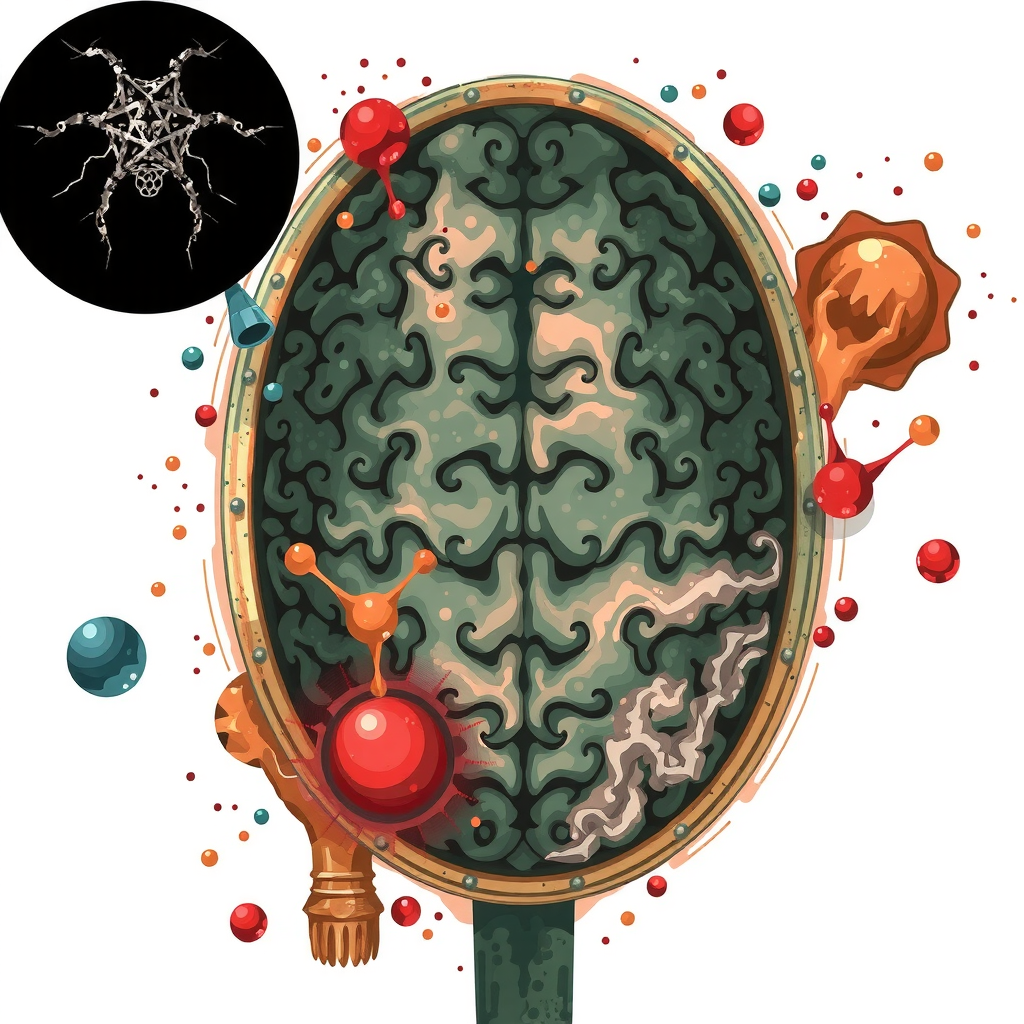
Predictors of delayed encephalopathy after acute carbon monoxide poisoning: a literature review.
A major and usually incapacitating consequence of acute carbon monoxide poisoning (DEACMP is delayed encephalopathy. Days or weeks after the first recovery from acute carbon monoxide poisoning (ACP) can show up. Therefore, early prediction and diagnosis are crucial since DEACMP has a bad prognosis and a complicated development pattern.
Scholars have examined various possible predictions, covering clinical symptoms, lab markers, neuro-electrophysiological alterations, imaging results, and possibly even genetic elements. Notwithstanding these initiatives, no one is quite sure. The reliability and clinical use of current predictors remains restricted.
This discrepancy has driven scientists to investigate fresh directions. Exosome research seems to be an interesting field. These tiny extracellular vesicles play key functions in brain health and illness. Variations in exosome content could reflect early brain damage and provide hints that would enable DEACMP to be identified before symptoms aggravate.
Exosomes are already under research as indicators for numerous neurological disorders. Strong options for tracking brain pathology are their capacity to convey molecular signals between cells. Their possibility in DEACMP is investigated in the present review. It seeks to promote further research and awareness.
Knowing how exosomes respond during CO poisoning might reveal fresh, consistent predictors. Early diagnosis could be improved, treatment decisions guided, and results for DEACMP patients would be better. Advancement of treatment for this complicated and terrible disorder depends on ongoing study in this area.
Keep reading
Latest Research and Studies
29 Sept 2026
Latest Research and Studies
19 Sept 2026

Latest Research and Studies
05 Aug 2026
Latest Research and Studies
27 Jul 2026