FDA Issues Critical Age Limits for Scopolamine Patch Safety
post on 15 Jan 2026 · Updated 02 Oct 2026

post on 15 Jan 2026 · Updated 02 Oct 2026
 Medical Toxicologymedicaltoxic.com
https://medicaltoxic.com/news/fda-issues-critical-age-limits-for-scopolamine-patch-safety
FDA Issues Critical Age Limits for Scopolamine Patch Safety
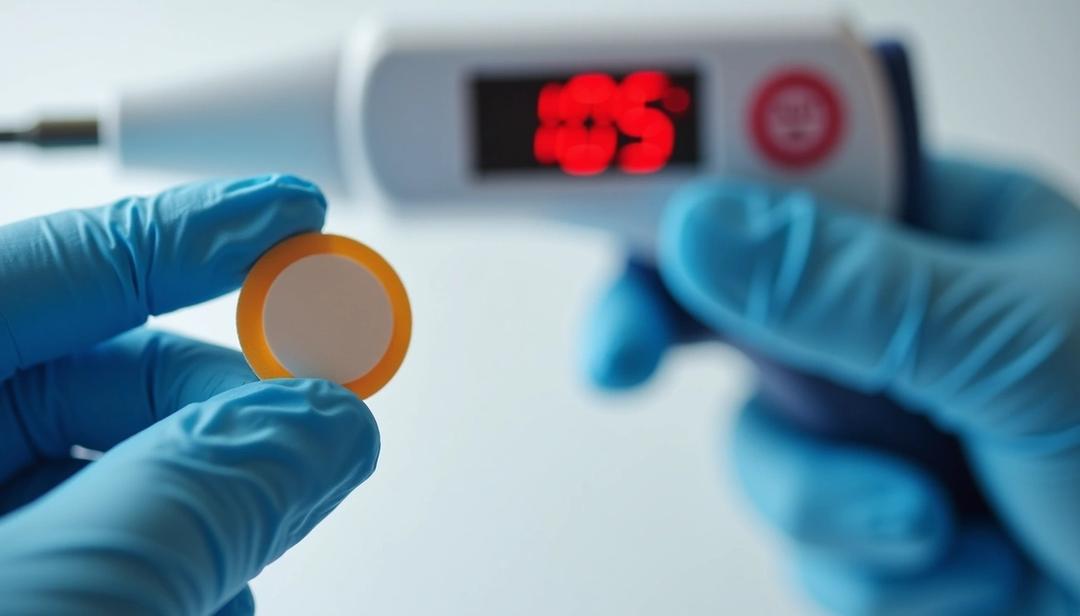
The FDA has issued critical warnings about scopolamine patch age limit that reveal serious safety risks everyone should know about. Worldwide data shows 13 cases of serious or fatal hyperthermia linked to scopolamine transdermal patches. The risks affect specific age groups significantly. Eight cases involved children 17 years and younger, while four cases occurred in adults over 60 years old.
Scopolamine patch side effects have proven extremely serious. The FDA reports showed maximum body temperatures of 105°F or higher in three cases. Four patients needed hospitalization and two cases resulted in death. The scopolamine patch age limit poses a special risk to elderly patients because symptoms usually show up within 72 hours after applying the patch. The reactions often come with other toxic effects like mydriasis, disorientation, and urinary retention.
The FDA's review led to a new required warning label for the scopolamine transdermal patch (Transderm-Scōp and generics). This piece will help you understand the recommended age limits for scopolamine transdermal patches. You'll learn about the evidence behind these warnings and get vital safety guidelines that both patients and healthcare providers need to follow when using scopolamine patches.
On June 18, 2025, the FDA mandated major changes to Transderm Scōp's prescribing information and added a new warning about hyperthermia risks [1]. The FDA's decision came after they found serious heat-related complications connected to scopolamine patches that led to hospitalization and death in some patients [2].
Research showed that scopolamine patches directly affect the body's temperature control system. The patches impair the body's natural temperature maintenance and reduce sweating, which leads to dangerous spikes in core body temperature [3].
The FDA officials required complete updates across several key areas of the prescribing information:
Warnings and Precautions
Pediatric Use
Geriatric Use
Overdosage
Patient Counseling Information [2]
The patient information leaflet now contains these vital warnings [2]. Patients face increased hyperthermia risks from warm environments or heat sources like heated blankets [3].
The FDA's data showed that problems typically emerged within 72 hours after first application of the patch [2]. Some patients misused the product and cut patches or applied multiple patches at once [2]. The updated labeling now strictly warns against these practices.
The FDA analysis shows children and older adults face higher risks from scopolamine patches. Out of 13 hyperthermia cases reported worldwide, children 17 and under accounted for 8 cases, while adults over 60 made up 4 cases [4]. All but one of these cases affected either children or older adults, which points to a clear pattern of age-related risks [5].
These health impacts proved serious. The reports included two deaths - one child and one older adult [4]. Both patients who died had other risk factors, and we noted they were either taking other anticholinergic medications or were exposed to heat sources [2].
Transderm Scōp has never received FDA approval for pediatric use [4]. In spite of that, doctors sometimes prescribe it "off-label" when treating excessive drooling in children with cerebral palsy or other neurological conditions [6]. Six of the reported patients received scopolamine to control their drooling or secretions [4].
Age-related body changes make elderly patients vulnerable. Studies show that older adults react more strongly to scopolamine's effects on cognition because their central cholinergic system weakens with age [7]. Their brain's increased sensitivity to anticholinergic effects can disrupt temperature regulation [6].
These age groups share one critical weakness - their bodies struggle to regulate temperature, which makes them highly sensitive to scopolamine's anticholinergic effects [4].
Healthcare providers who prescribe scopolamine patches need to change their clinical practice due to FDA safety concerns. Doctors must explain hyperthermia risks to their patients, especially when dealing with children and adults over 60 who face higher risks [6].
Doctors should highlight these key points during patient counseling:
Immediate patch removal if hyperthermia symptoms appear, such as higher body temperature or less sweating in warm environments [6]
Symptoms might last for hours or days after removing the patch because the medication continues to absorb through the skin [5]
Patients should stay away from heat sources like heated blankets while wearing the patch [6]
Use only one patch at a time and never cut patches [2]
Medical professionals need a full picture of their patient's medical history to check conditions that could raise hyperthermia risk. One death occurred due to interactions with other anticholinergic medications [2].
Doctors should think about alternative treatments for high-risk patients when possible. The FDA has never approved scopolamine patches for patients 17 and younger [4]. Off-label prescribing for conditions like excessive drooling needs extra watchfulness.
Proper application is a vital part of patient safety. Patients need to wash their hands really well after touching patches to avoid accidentally transferring medication to their eyes, which can cause temporary vision problems [3].
The FDA has taken strong action on scopolamine patches due to serious hyperthermia risks. These risks are nowhere near as severe in the general population as they are in children under 17 and adults over 60. Cases worldwide show severe complications and deaths that highlight why healthcare providers should get a full picture of risk factors before writing prescriptions.
Without doubt, new warning labels mark a significant step to prevent future incidents. In spite of that, proper usage guidelines are just as important as patient education. If you have vulnerable family members using these patches, stay watchful for signs of hyperthermia. This is especially important during the first 72 hours after the original application. On top of that, users must stay away from external heat sources while wearing the patch.
Scopolamine patches serve valuable medical purposes with proper administration, but we can't ignore their risks. So, high-risk patients might find safer options in alternative treatments. Patients should talk about their concerns with healthcare providers and ask for immediate medical help if they notice symptoms of overheating or reduced sweating.
These FDA warnings show us that medication safety needs constant watchfulness, especially when you have vulnerable patients. Safe use of these patches needs respect for guidelines and quick recognition of warning signs. Healthcare providers and patients both play vital roles to ensure safe use and prevent life-threatening complications.
The FDA has issued critical safety warnings about scopolamine patches following reports of serious hyperthermia cases, including deaths, that highlight significant age-related risks requiring immediate attention from healthcare providers and patients.
• Children under 18 and adults over 60 face highest hyperthermia risk - 12 of 13 reported cases occurred in these vulnerable age groups, with two deaths documented.
• Symptoms develop rapidly within 72 hours - Dangerous body temperatures of 105°F or higher can occur quickly after patch application, requiring immediate removal.
• Off-label pediatric use poses serious dangers - Scopolamine patches lack FDA approval for children yet are sometimes prescribed for drooling, significantly increasing safety risks.
• Avoid external heat sources while wearing patches - Heated blankets, warm environments, and other heat sources can trigger life-threatening temperature elevation.
• Never cut patches or apply multiple patches - Proper application of one intact patch is essential to prevent overdose and serious complications.
Healthcare providers must now counsel all patients about hyperthermia warning signs and consider safer alternatives for high-risk populations, especially given that symptoms can persist even after patch removal due to continued skin absorption.
Children 17 years and younger and adults 60 years and older are at the highest risk of experiencing serious side effects, including hyperthermia, when using scopolamine patches.
Symptoms of hyperthermia typically appear within 72 hours of applying the scopolamine patch. It's crucial to monitor for signs of overheating during this initial period.
Scopolamine patches are not FDA-approved for use in children under 18. Off-label use in pediatric patients, particularly for controlling drooling, carries significant risks and should be carefully considered by healthcare providers.
Avoid external heat sources like heated blankets, apply only one patch at a time, and never cut the patches. If symptoms of hyperthermia develop, remove the patch immediately and seek medical attention.
Scopolamine patches are FDA-approved for adults to prevent nausea and vomiting associated with motion sickness and to prevent post-operative nausea and vomiting related to anesthesia, opiate analgesia, and surgery.
[1] - https://medlineplus.gov/druginfo/meds/a682509.html
[2] - https://secure.medicalletter.org/TML-article-1735g
[3] - https://www.accessdata.fda.gov/drugsatfda_docs/label/2024/017874s051lbl.pdf
[4] - https://www.fda.gov/drugs/drug-safety-and-availability/fda-adds-warning-about-serious-risk-heat-related-complications-antinausea-patch-transderm-scop
[5] - https://www.empr.com/news/fda-alert-warns-of-possible-hyperthermia-with-antinausea-patch/
[6] - https://www.fda.gov/safety/medical-product-safety-information/transderm-scop-scopolamine-transdermal-system-drug-safety-communication-fda-adds-warning-about
[7] - https://pmc.ncbi.nlm.nih.gov/articles/PMC4131233/
Keep reading
Public Health Warnings and Recalls
17 Oct 2026
Public Health Warnings and Recalls
17 Oct 2026

Public Health Warnings and Recalls
09 Oct 2026

Public Health Warnings and Recalls
05 Oct 2026 · Updated 16 Oct 2026