Food and Drug Toxicology
Hidden Phthalates in Fast Food: New Evidence Reveals Chemical Exposure Risks
Omid Mehrpour
Post on 04 Jan 2026 · Updated 25 Sept 2026 · 8 min read

Omid Mehrpour
Post on 04 Jan 2026 · Updated 25 Sept 2026 · 8 min read
 Medical Toxicologymedicaltoxic.com
https://medicaltoxic.com/blogs/hidden-phthalates-in-fast-food-new-evidence-reveals-chemica
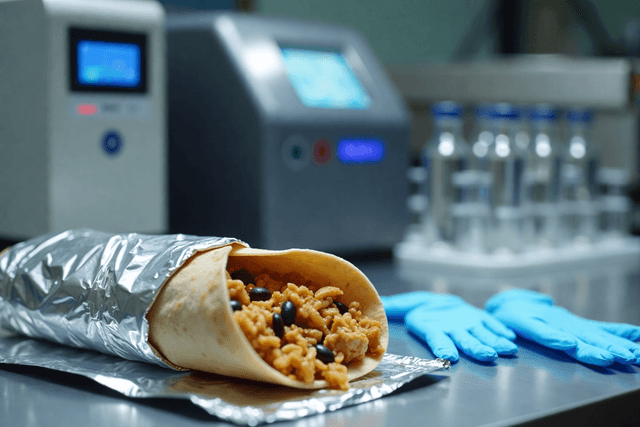
Research shows that phthalates are common in fast food. These chemicals appeared in more than 80% of tested food items. Studies revealed that two common phthalates, DnBP and DEHP, were present in 81% and 70% of fast food samples.
The situation with replacement chemicals is even more eye-opening. Scientists found DEHT, a substitute plasticizer, in 86% of samples at substantially higher levels than other chemicals. A single chicken burrito contained 15,351 ppb of phthalate substitutes – 320 times more than its original phthalate content. These results stand out because they mark the first time researchers measured DEHT in food.
A broader look at fast food's chemical makeup reveals some unsettling patterns. Research links ultra-processed food to higher phthalate exposure. A study showed that food with just 10% more ultra-processed content led to 13.1% higher levels of DEHP metabolites. These findings raise important questions about harmful chemicals in fast food and how they affect our health. This piece will examine the newest research on phthalates in fast food and share ways to lower your exposure to these compounds.
Different foods showed distinct patterns of these chemicals. Burritos had the highest median DEHT levels at 6,000 µg/kg, while hamburgers contained 2,200 µg/kg [2]. The test results revealed some concerning chemical levels:
Taco Bell's Cantina Chicken Burrito had 14,000 nanograms of DEHP per serving [3]
McDonald's Quarter Pounder with cheese showed high DEHT content (406,020 nanograms per serving) [3]
Burger King's Whoppers topped the list with DEHT levels (3.3-5.8 million nanograms per serving) [3]
Items with meat showed higher chemical levels than their meatless counterparts [1]. Cheese pizza had the lowest contamination levels among all tested chemicals [2]. Consumer Reports' tests found both phthalates and their replacements in many products. The replacement chemicals appeared at much higher levels—in some cases 320 times more than the original compounds [4].
The highest DEHT level found in any food item was 12,400 µg/kg, which was almost five times more than the median amount [5].

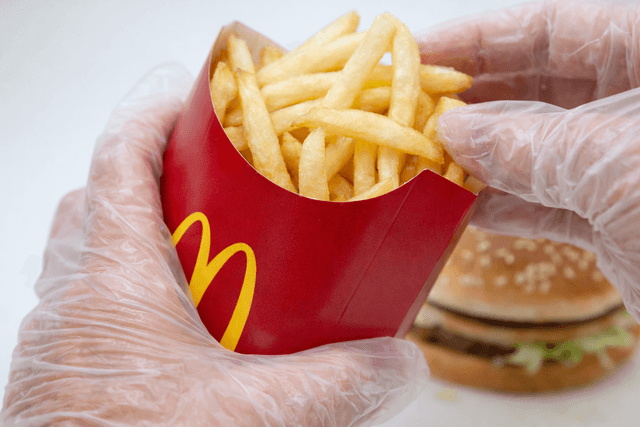
You might wonder about the source of harmful chemicals in fast food. The main culprits are vinyl food handling gloves that popular chains use. These gloves need plasticizers approximately one-third of a PVC glove's weight [6] to make the rigid plastic flexible enough to handle food.
Lab tests showed DEHT in all the tested food service gloves. The concentrations ranged from 1,240,000–1,880,000 μg/glove (28-37% by weight) [2]. This same chemical showed up in hamburgers and burritos from these restaurants [2].
Plasticizers aren't like regular food ingredients that get added on purpose - they just aren't chemically bound to gloves and transfer easily to anything they touch. DEHT showed up in both hamburgers from Chain A and B and burritos from Tex-Mex Chain A, which proves the clear link between contaminated gloves and food [2].
The supply chain has other contamination sources too. FDA scientists found phthalates in paper-based fast food packaging that wraps fries, hamburgers, pizza, and chicken [2]. Other research teams found DEHP in processing equipment tubing and DiNP in conveyor belts [2].
Polyethylene gloves offer a safer choice since they stay flexible without plasticizers [6]. But whatever material they're made from, gloves can increase contamination risks if people don't change them often enough, as microbes build up over time [7].
Phthalates create serious health risks by disrupting endocrine functions. The Endocrine Society labels these compounds as endocrine-disrupting chemicals (EDCs). These chemicals interfere with hormone systems and might cause cancer, diabetes, reproductive disorders, and neurological impairments [8].
Laboratory studies confirm that exposure to phthalates severely affects reproductive health. DEHP and DBP lead to "phthalate syndrome" in males. This condition results in decreased fertility, reduced sperm count, and reproductive tract malformations [9]. Male infants exposed to certain phthalates before birth show decreased anogenital distance, a condition that links to reduced fertility [9].
The risks go beyond reproduction. Exposure to phthalates relates to early puberty, endometriosis, obesity, type II diabetes, attention-deficit disorders, and even breast and skin cancer [10]. DEHP specifically links to insulin resistance, higher blood pressure, and elevated triglyceride levels [8].
Replacement plasticizers might not offer a complete solution. People often think these alternatives are safer. However, ToxCast data show that DEHT, DINCH, and DEHA interact with nuclear receptor signaling pathways, including RXRβ, PXR, and ERα [2]. These receptors control multiple physiological processes. Their inappropriate activation by these chemicals could lead to harmful health outcomes [2].
These chemicals appear commonly in fast food. This prevalence raises valid concerns about long-term exposure through diet. The risks become particularly concerning during pregnancy when developing fetuses face the highest vulnerability [11].
Chemical contamination from phthalates in fast food is a troubling reality for people everywhere. Studies show these chemicals pervade most fast food items. Traditional phthalates show up in 70-81% of tested samples. The replacement compounds like DEHT are substantially more concentrated - sometimes hundreds of times higher than the original chemicals they replaced.
The way food is handled plays a big role in this chemical exposure. Vinyl gloves with up to 37% plasticizers directly transfer these compounds to food during prep work. Food packaging materials and processing equipment throughout the supply chain add even more contamination.
These chemicals' health effects should raise red flags. They disrupt the endocrine system by interfering with hormones and can trigger reproductive problems, metabolic conditions, and developmental issues. Scientists have linked them to reduced fertility, early puberty, obesity, diabetes, and some cancers. The replacement plasticizers, despite claims they're safe, still interact with vital nuclear receptors that control body processes.
Some clear patterns emerge that can help people make better choices. Meat items consistently have higher chemical levels than other foods. Pizza, especially cheese varieties, shows the lowest contamination among tested foods. People can cut their exposure by picking less-processed options and eating less meat-based fast food.
Note that your next burger or taco comes with invisible chemicals. Fast food may be quick and tasty, but it delivers more than calories—it brings unwanted chemical hitchhikers that could affect your health. This reality means we just need more awareness and should think over how often we choose these convenient but potentially harmful meals.
New research reveals alarming levels of harmful chemicals in fast food, with phthalates found in over 80% of samples and replacement chemicals present at even higher concentrations.
• Widespread contamination: Phthalates detected in 81% of fast food samples, with replacement chemical DEHT found in 86% at concentrations up to 320 times higher than original compounds.
• Vinyl gloves are major culprits: Food handling gloves contain 28-37% plasticizers by weight, directly transferring chemicals like DEHT to hamburgers and burritos during preparation.
• Serious health risks confirmed: These endocrine-disrupting chemicals cause reproductive disorders, diabetes, obesity, and cancer, with developing fetuses most vulnerable to exposure.
• Meat items most contaminated: Burritos and hamburgers show highest chemical levels (6,000-406,020 nanograms per serving), while cheese pizza has lowest contamination rates.
• Simple protection strategies: Choose less-processed options, limit meat-based fast food, and consider pizza over burgers to reduce chemical exposure from your diet.
The evidence is clear: fast food delivers a "double whammy" of poor nutrition and dangerous chemical exposure, making dietary choices more critical than ever for long-term health protection.
Phthalate exposure has been linked to various health issues, including fertility problems, early puberty, obesity, diabetes, cardiovascular issues, and certain cancers. These chemicals can disrupt the endocrine system, potentially affecting reproductive health and fetal development.
Studies have found phthalates to be widespread in fast food, with traditional phthalates detected in 70-81% of samples tested. Even more concerning, replacement chemicals like DEHT were found in 86% of samples, often at much higher concentrations than the original compounds.
Yes, meat-based items generally show higher levels of chemical contamination. Burritos and hamburgers tend to have the highest levels of contamination, while cheese pizza typically has the lowest levels among tested fast food items.
The primary source of contamination is food handling gloves, which can contain up to 37% plasticizers by weight. These chemicals easily transfer to food during preparation. Other sources include food packaging materials and processing equipment used throughout the supply chain.
To minimize exposure, consumers can choose less-processed options, limit consumption of meat-based fast food items, and opt for foods with lower contamination rates, such as cheese pizza. Additionally, reducing overall fast-food intake can help reduce exposure to these harmful chemicals.
© All copyright of this material is absolute to Medical toxicology
Dr. Omid Mehrpour (MD, FACMT) is a senior medical toxicologist and physician-scientist with over 15 years of clinical and academic experience in emergency medicine and toxicology. He founded Medical Toxicology LLC in Arizona and created several AI-powered tools designed to advance poisoning diagnosis, clinical decision-making, and public health education. Dr. Mehrpour has authored over 250 peer-reviewed publications and is ranked among the top 2% of scientists worldwide. He serves as an associate editor for several leading toxicology journals and holds multiple U.S. patents for AI-based diagnostic systems in toxicology. His work brings together cutting-edge research, digital innovation, and global health advocacy to transform the future of medical toxicology.
[1] - https://publichealth.gwu.edu/potentially-harmful-industrial-chemicals-detected-us-fast-foods
[2] - https://pmc.ncbi.nlm.nih.gov/articles/PMC9119856/
[3] - https://www.newsweek.com/fast-food-with-most-plastic-chemicals-revealed-11214870
[4] - https://www.consumerreports.org/health/food-contaminants/fast-food-companies-replace-one-toxic-chemical-with-another-a1193129119/
[5] - https://www.diabetesselfmanagement.com/news-research/endocrine-disrupting-chemicals-common-in-fast-food-items/
[6] - https://toxicfreefuture.org/press-room/new-study-finds-toxic-chemicals-in-plastic-gloves-used-at-mcdonalds-burger-king-and-wendys/
[7] - https://www.vectorsolutions.com/resources/blogs/preventing-cross-contamination-in-food-and-beverage-manufacturing/
[8] - https://www.endocrine.org/topics/edc/plastics-edcs-and-health
[9] - https://www.epa.gov/sites/default/files/2017-08/documents/phthalates_updates_live_file_508_0.pdf
[10] - https://pmc.ncbi.nlm.nih.gov/articles/PMC7460375/
[11] - https://pmc.ncbi.nlm.nih.gov/articles/PMC10834835/
Keep reading
 Food and Drug Toxicology
Amir Mohammad Mottaghi
 Food and Drug Toxicology
Amirhosein Shabrang
 Food and Drug Toxicology
Amirhosein Shabrang
 Food and Drug Toxicology
Amirhosein Shabrang