Clinical Toxicology
GLP-1 Gastroparesis: Hidden Dangers Beyond Common Side Effects
Omid Mehrpour
Post on 16 Jan 2026 · Updated 01 Oct 2026 · 25 min read

Omid Mehrpour
Post on 16 Jan 2026 · Updated 01 Oct 2026 · 25 min read
 Medical Toxicologymedicaltoxic.com
https://medicaltoxic.com/blogs/glp-1-gastroparesis-hidden-dangers-beyond-common-side-effec
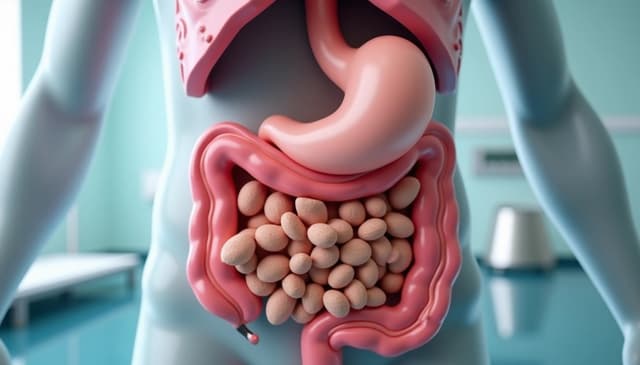
GLP-1 gastroparesis emerges as a serious yet often overlooked complication for patients using these popular medications. Nausea, vomiting, and diarrhea are common side effects, but clinical trials reveal that severe gastrointestinal adverse reactions affect 4.1% of WEGOVY-injection patients, while only 0.9% of placebo groups experience these issues. This significant gap deserves more attention.
The concerns go beyond typical digestive issues. A newer study with 25,617 subjects showed a 3.5-fold spike in intestinal obstruction rates linked to GLP-1 receptor agonist treatment. The situation becomes more concerning for diabetic patients using these medications, as their risk of intestinal obstruction jumps 4.5 times higher compared to those using other glucose control options. GLP-1 induced gastroparesis causes delayed gastric emptying that can trigger serious complications, including bowel obstruction.
Let's get into the mechanisms behind GLP-1 agonist gastroparesis, its clinical signs, and answer a crucial question many patients ask: can GLP-1 gastroparesis be reversed? We'll also explore diagnostic methods and management strategies to help practitioners and patients handle these potentially dangerous complications effectively.
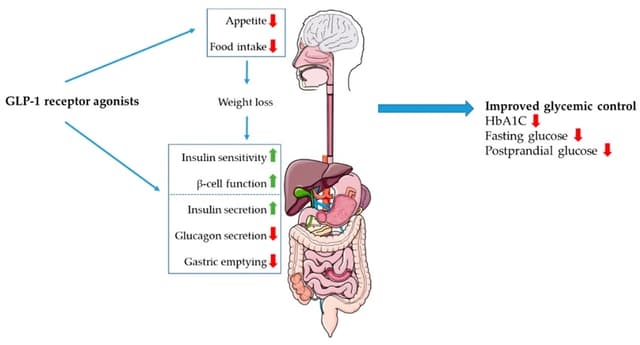
GLP-1 receptor agonists (GLP-1RAs) do much more than just regulate blood glucose levels. These medications get deep into your system and change how your digestive system moves food around, especially when it comes to emptying your stomach. This creates both benefits and possible complications.
Your intestinal L cells release GLP-1 naturally after you eat. This slows down how fast your stomach empties and helps control blood glucose by managing how nutrients flow from your stomach to your small intestine [1]. Studies that used GLP-1 receptor blockers like exendin(9–39)amide showed this clearly. These blockers speed up stomach emptying and get the antral muscles moving when given to healthy people [2].
Adding external GLP-1—either through IV at high doses or as medication—slows down stomach emptying quite a bit. Each person responds differently to this slowing effect. People who already have slow stomach emptying don't see such dramatic changes [2].
The body uses several coordinated mechanisms to make this happen:
Relaxation of the gastric fundus leads to increased gastric compliance
Inhibition of antral contractility reduces propulsive forces
Increased pyloric tone creates greater resistance to outflow [2]
Research points to the vagal nerve pathway as the main route for this action. People who went through truncal vagotomy lost the effect of GLP-1 on stomach emptying [3]. GLP-1 receptors show up not just in the pancreas but throughout the central and peripheral nervous systems, including the digestive tract's nerve network [1].
This slower stomach emptying plays a big role in how these medications lower glucose levels. A study proved this is a vital mechanism. When researchers used erythromycin (a prokinetic) to override the effects on stomach emptying, GLP-1's ability to lower glucose dropped [3].
Doctors group GLP-1RAs into "short-acting" or "long-acting" based on how long they stay in your body. Short-acting ones (exenatide twice daily and lixisenatide) almost disappear from your blood between doses. Long-acting ones (liraglutide, dulaglutide, exenatide weekly, semaglutide) keep working for at least 24 hours [2].
This difference between these types matters a lot when you look at how they affect stomach movement. Short-acting GLP-1RAs slow down stomach emptying more than long-acting ones [2]. One study compared them directly and found that gastric emptying half-time was delayed by 52 minutes with lixisenatide (short-acting) but only 25 minutes with liraglutide (long-acting) [2].
Tachyphylaxis—where drugs become less effective over time—creates another key difference. Short-acting GLP-1RAs keep working the same way on stomach emptying over time. Long-acting ones seem to slow stomach emptying less as time goes on [2]. They still work somewhat even after long-term use.
Van Can's study brings this to life with real numbers. Liraglutide 3.0 mg showed a 23% decrease in stomach emptying compared to placebo at the 1-hour mark, while liraglutide 1.8 mg showed a 13% decrease [1]. Both types reduce stomach acid by about 20.7% [2].
These differences affect patient care in important ways. Short-acting GLP-1RAs might cause more GLP-1 induced gastroparesis because they slow stomach emptying more dramatically. Long-acting agents might work better for long-term use, especially for patients who might develop movement problems in their digestive system. This helps doctors choose the right medication when they worry about GLP-1 gastroparesis and whether it can be reversed.
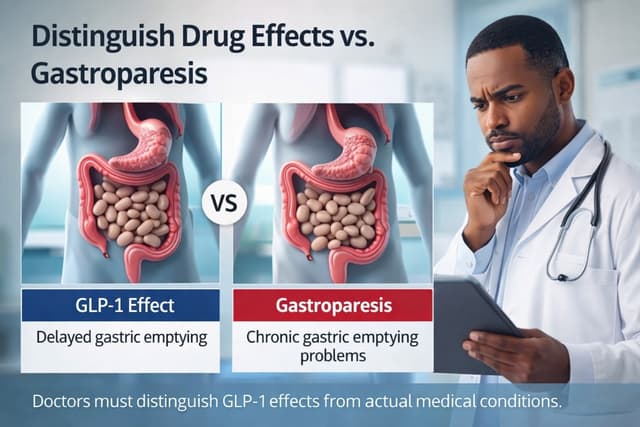
Doctors need to carefully distinguish gastroparesis from the normal slowing of gastric emptying that GLP-1 receptor agonists cause. These medications help manage diabetes and weight loss, making it crucial for healthcare providers to know the difference between expected drug effects and actual medical conditions.
The term gastroparesis means "stomach paralysis." This syndrome shows delayed gastric emptying of solids without any physical blockage [4]. Patients experience abnormal stomach movement that lasts at least three months. The main symptoms include nausea, vomiting, feeling full quickly, bloating, and stomach pain [4].
Damage to the stomach's nerves and muscles causes this condition. The damage disrupts the stomach's natural contractions needed to process and empty food. Neural problems affect how stomach muscles work together to break down food and move it into the small intestine [4]. The biggest issues are weak stomach contractions and problems with the pylorus muscle relaxing [4].
Doctors diagnose gastroparesis by looking at symptoms and measuring how slowly the stomach empties. The best way to test this uses gastric emptying scintigraphy. Patients eat a meal containing radioactive markers, and doctors track how it moves through the stomach over about four hours [4]. Another option uses breath tests. These measure emptying rates by detecting specific substances in breath samples after eating [4].
The condition affects women much more than men. Studies show an age-adjusted incidence of 2.4 per 100,000 person-years for males and 9.8 for females [4]. Women also show higher prevalence rates at 38 per 100,000 compared to men at 9.6 per 100,000 [4]. Research indicates the general population prevalence ranges from 13.8 to 267.7 per 100,000 adults [4].
GLP-1 receptor agonists work by slowing down stomach emptying. Sometimes this normal effect can develop into gastroparesis. The medications naturally slow digestion by controlling how nutrients move from the stomach to the small intestine [5].
True GLP-1-induced gastroparesis causes much worse symptoms than just mild nausea or fullness. Studies show that people taking GLP-1-based therapy (including exenatide, liraglutide, dulaglutide, semaglutide, or tirzepatide) are four times more likely to have food stuck in their stomachs during endoscopy (13.6% versus 2.3% in non-users) [6].
Some people face higher risks of stomach slowing from these medications. Women experience more slowing effects, especially when taking longer-lasting versions [7]. Diabetes complications make things worse. Patients with blood vessel problems show much higher rates of retained stomach contents (15% versus 2%) [6].
Different medications affect stomach emptying differently based on how they work in the body. Dulaglutide and tirzepatide slow stomach emptying the most after just one dose [8]. These effects can change how other medications work too. Tirzepatide reduces birth control pill effectiveness by about 60% [8].
GLP-1RAs don't just slow down meals. They can disrupt the stomach's natural cleaning waves, especially during fasting [6]. This explains why some patients still have food in their stomachs even after not eating overnight before procedures [6].
Healthcare providers must look carefully at symptoms, how long they last, and test results to tell the difference between normal medication effects and actual gastroparesis. This helps them make the right diagnosis and choose the best treatment.
GLP-1 receptor agonists can cause gastrointestinal symptoms that doctors often dismiss as regular side effects. These symptoms might actually be early warning signs of gastroparesis. Medical professionals need to spot these subtle signs early to manage the condition better.
Early satiety makes patients feel full after eating very little food. This is a key sign of GLP-1 gastroparesis that patients often report. This feeling is different from the expected appetite reduction these medications should cause. Gastroparesis makes food stay in the stomach longer than it should, which creates a constant feeling of fullness and affects nutrition [9].
Patients don't just feel full - they also experience uncomfortable bloating and swollen bellies. Clinical data shows these symptoms happen because food takes too long to leave the stomach [10]. The stagnant food not only makes patients uncomfortable but also starts affecting their daily life and nutrition.
The mechanism that helps GLP-1 medications work for weight loss becomes a problem when it goes too far. A gastroenterologist explains this well: "The same sense of fullness, or 'early satiety,' that prevents overeating can also slow the gut down" [9]. Most people don't realize the difference between helpful fullness and problematic early satiety.
Nausea tops the list of GLP-1-related stomach issues, affecting 40-70% of patients [2]. Studies show nausea occurs in 15-50% of GLP-1 users, while 5-20% experience vomiting [2]. Tirzepatide users see nausea rates of 20.43% [11].
The timing of these symptoms provides valuable clues for diagnosis. Nausea usually peaks during the first 4-5 weeks of treatment when the stomach empties most slowly [2]. Most patients see their symptoms go away within 8 days after they start [2]. Nausea that lasts longer or becomes severe might point to gastroparesis rather than normal medication effects.
Vomiting patterns help doctors tell normal side effects from gastroparesis. Regular medication-related vomiting goes away quickly. Gastroparesis-related vomiting often brings up undigested food from hours earlier [10]. This happens because the stomach takes much longer than normal to empty its contents.
Constipation doesn't get as much attention as nausea and vomiting, but it's another sign of GLP-1 gastroparesis. It affects 4-12% of patients [2]. Some studies show constipation rates reaching 25-35% in people with obesity who take these medications [2]. Unlike other stomach issues that clear up quickly, constipation tends to stick around - lasting about 47 days according to clinical data [2].
GLP-1 medication-related constipation is different from regular constipation. These medications affect the entire digestive system's movement, not just the stomach. They can change the migrating motor complex that controls gut movement during fasting [12], which might lead to more complex movement problems.
Severe cases can turn into pseudo-obstruction or real small bowel blockage - a medical emergency that needs immediate attention. Red flags include severe bloating with a swollen, hard belly, inability to pass gas, and no bowel movements [13]. Patients with GLP-1-induced bowel blockage usually show up with stomach pain, vomiting, constipation, nausea, and a swollen belly [12].
GLP-1 receptors throughout the digestive tract explain why these complications happen. When activated, they slow down intestinal movement, delay stomach emptying, and alter the migrating motor complex. These changes increase the risk of gastroparesis and bowel blockage [12]. Knowing this progression helps doctors step in before symptoms become severe.
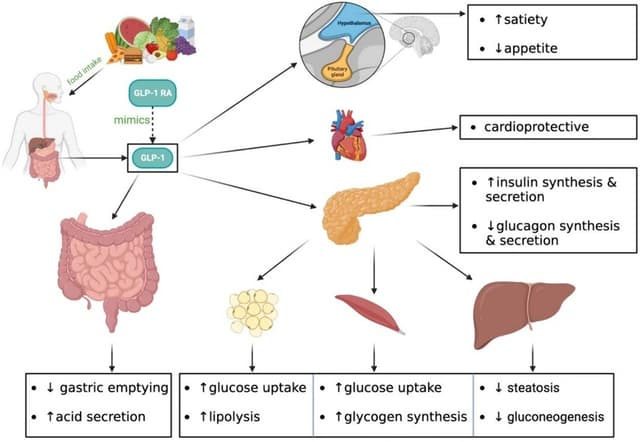
GLP-1 receptor agonists do more than cause digestive issues. These medications create risks from retained gastric contents - a problem doctors see more often in their clinics. This is a big deal for patients who need medical procedures.
Upper endoscopy results show a troubling pattern of leftover food in GLP-1RA users' stomachs, even after proper fasting. The numbers tell the story: patients on these medications have higher rates of retained gastric contents during esophagogastroduodenoscopy (EGD) compared to non-users—8.07% versus 3.49% [14]. Some studies paint an even starker picture, showing four times more retained gastric contents (13.6% versus 2.3%) [1].
Food retention varies quite a bit. The breakdown shows 14.3% of patients have minimal retention, 44.3% show moderate amounts, and 41.4% have large quantities [3]. Sometimes there's so much food left that doctors can't complete the procedure—20.1% of endoscopies get canceled [3].
The risk goes up in certain situations. Patients who don't stop their GLP-1RA medications before surgery are three times more likely to have retained gastric contents (OR 2.86) [3]. Type 2 diabetes patients face even higher odds (OR 4.10) [3]. HbA1C levels play a role too - each 1% increase leads to a 36% higher risk [3].
Doctors worry about the slow stomach emptying from GLP-1 medications and its effect on aspiration during anesthesia. Stomach contents that end up in the lungs can cause life-threatening pneumonia [15]. The risk comes from extra food staying in the stomach, which might come back up during anesthesia.
A detailed meta-analysis backs up these concerns. It shows GLP-1RA use leads to much higher odds of leftover stomach contents (OR 5.96) [16]. Yet the real-world data tells a different story. A study of common surgeries found no link between GLP-1RA use before surgery and pneumonia from aspiration [15].
Doctors have found ways to reduce these risks. Food retention drops when patients get both endoscopy and colonoscopy—thanks to the 24-hour clear liquid diet and bowel prep [17]. Ultrasound checks of stomach contents before procedures help too [18].
GLP-1 medications change more than just how fast food leaves the stomach - they also affect the way the gut moves between meals. Capsule endoscopy shows that liraglutide slows down movement in both the small intestine and duodenum [19].
The effects change based on a patient's gut health. Take patients with diabetic neuropathy - their gastric transit time actually got faster with liraglutide (from 1:12:36 to 0:48:40 hours), though the change wasn't huge [19]. But patients without neuropathy saw their transit time jump from about 1 hour to 2.5 hours [19].
The medications boost residue rates across the board. Diabetic neuropathy patients saw rates climb from 32.1% to 90.0% after taking the medicine [19]. Patients without neuropathy weren't far behind, with increases from 32.1% to 78.3% [19].
These results show that GLP-1 induced gastroparesis affects the whole digestive system, not just the stomach. This explains why patients feel symptoms even when they haven't eaten.
GLP-1 receptor agonists have expanded rapidly beyond their diabetes treatment roots, which creates new gastroparesis risks for a different type of patient. These risks look quite different from those of diabetic patients who already face gastric motility disorders. Non-diabetic patients need a specialized approach to their care.
The remarkable weight loss results from GLP-1 receptor agonists have led doctors to prescribe them widely for obesity management. Medications like semaglutide (Wegovy) and liraglutide (Saxenda) now have FDA approval for weight loss, while doctors prescribe others off-label [20]. This has created a large group of non-diabetic patients who take these medications to manage their weight.
Safety concerns come with this wider use. The randomized trials that looked at GLP-1's effectiveness for weight loss weren't set up to catch rare stomach problems like gastroparesis. Small groups and short follow-up times limited these studies [20]. This lack of research raises concerns because non-diabetic patients face different risks and benefits than diabetic patients.
The FDA has raised red flags about unapproved versions of these medications. Some patients needed hospital care due to dosing mistakes with compounded injectable semaglutide products [21]. Weight-loss seekers who get medications through unusual channels might face these complications more often.
New research clearly shows that non-diabetic people face high gastroparesis risks when they use GLP-1 agonists. A detailed study of 55,460 non-diabetic patients revealed gastroparesis rates of 6.5 per 1000 person-years in semaglutide users. This is much higher than the 2.1 rate for bupropion-naltrexone users and 1.1 for sleeve gastrectomy patients [4]. After adjusting for patient characteristics, semaglutide treatment showed a gastroparesis risk 3.33 times higher than bupropion-naltrexone and 6.14 times higher than sleeve gastrectomy [4].
Some patient factors make gastroparesis more likely in this non-diabetic group. The biggest risk factors include:
Baseline MAFLD diagnosis (aHR 2.11)
BMI between 30-34 compared to BMI 40+ (aHR 1.93)
Pre-existing GERD (aHR 1.80)
Female gender (aHR 1.56) [4]
Different GLP-1 medications show varying risk levels. To name just one example, tirzepatide shows a 64% lower risk of gastroparesis compared to semaglutide in non-diabetic patients [22]. Liraglutide users without diabetes showed higher chances of delayed gastric emptying (139%) and ileus (32%) compared to other weight loss medications. Semaglutide users showed a 39% higher chance of delayed gastric emptying [23].
These stomach complications can really affect quality of life, so healthcare providers must screen patients carefully. This becomes even more important since many off-label users get less monitoring than diabetic patients. One study author noted, "Understanding the potential side effects of these treatment modalities, though rare, may help individuals and their care teams weigh each treatment's risks and benefits to develop a personalized regimen" [4].
Non-diabetic patients face different risks than diabetic patients. JAMA points out that "these adverse events, although rare, must be considered by patients who are thinking about using the drugs for weight loss because the risk-benefit calculus for this group might differ from that of those who use them for diabetes" [20]. Healthcare providers need specific approaches to counsel and monitor this growing patient group.
Patients diagnosed with GLP-1 induced gastroparesis often wonder if their condition will improve. Their symptoms' potential recovery affects treatment choices and their quality of life. Scientific evidence suggests several ways these gastroparesis symptoms might get better over time.
Tachyphylaxis—where the body's response to a drug decreases with repeated use—is a vital part of GLP-1 gastroparesis recovery. Research shows that ongoing GLP-1 receptor stimulation quickly leads to tachyphylaxis of gastric emptying effects [24]. This explains why long-acting GLP-1 receptor agonists slow down the stomach at first, but this effect decreases as time passes [7].
Different medications have different adaptation timelines. GLP-1 receptor agonists slow down gastric emptying early in treatment, but their effectiveness starts to decrease within 1-2 weeks [24]. Research shows no major reduction in gastric motility with any agonists after 4-6 weeks [24]. Other studies back this up, showing that long-term exposure reduces the drug's effects [25].
This adaptation links to changes in how receptors work. Scientists found that GLP-1 receptor mRNA levels in the nucleus tractus solitarius (NTS) dropped after 1-2 weeks of treatment, matching when the drug started becoming less effective [24]. By 4 weeks, GLP-1 receptor mRNA returned to normal levels while the stomach slowing effect disappeared [24].
GLP-1 medication-induced gastroparesis is different from gastroparesis caused by permanent nerve damage. Stopping the medication usually fixes the problem [26]. Recovery time varies among patients after they stop taking GLP-1 medications. Some feel better within days or weeks, while others take longer to recover [27].
Recovery depends on several things: how long the treatment lasted, the dose size, patient characteristics, and any pre-existing stomach movement issues [27]. Semaglutide stays in the body about a week, so it takes 4-5 weeks to clear out completely [27]. Patients often start feeling better during this time, though some might need longer.
Clinical data shows different recovery patterns. A follow-up analysis found that liraglutide slowed down stomach emptying in 57% of obesity patients, but tachyphylaxis helped 19 out of 39 affected patients return to normal within 16 weeks [28]. This means 30% still had delayed gastric emptying at 16 weeks [28].
A newer study, published in [29], showed that 90% of patients using GLP-1RAs had slower gastrointestinal movement when tested with wireless motility capsules. Delayed gastric emptying was the most common problem (80% of patients), while 33% had slower small bowel and colon transit [29]. These findings highlight why doctors need to keep checking on patients after they stop the medication to make sure they recover fully.
Doctors struggle to diagnose patients on GLP-1 receptor agonists who come in with stomach problems. Symptoms of GLP-1 induced gastroparesis often match other common GI disorders. This overlap guides doctors to wrong diagnoses and makes patients go through unnecessary tests.
Doctors find it hard to tell the difference between GLP-1 gastroparesis and functional dyspepsia. Both conditions show almost identical symptoms. These include early satiety, postprandial fullness, bloating, and pain in the upper abdomen [30]. About 25% to 35% of functional dyspepsia patients show delayed gastric emptying [31]. This makes it even harder to separate the two conditions.
Functional dyspepsia comes in two forms: epigastric pain syndrome and postprandial distress syndrome. The second type looks more like gastroparesis [31]. Six out of nine symptoms on the gastroparesis cardinal symptoms index match with functional dyspepsia [5]. Most gastroparesis patients fit the ROME IV criteria for functional dyspepsia. Meanwhile, 30% of functional dyspepsia patients have slow gastric emptying [5].
Keep in mind that telling these conditions apart matters because functional dyspepsia needs different treatment. It also has better outcomes than gastroparesis [31]. Functional dyspepsia affects about 10% of people - 3 to 7 times more common than gastroparesis [5].
The mechanisms behind GLP-1 induced gastroparesis and mechanical obstruction are quite different. Gastroparesis affects stomach movement without any physical blockage. Mechanical obstruction happens due to an actual physical barrier stopping the stomach from emptying [6].
Doctors diagnose gastroparesis based on three main criteria: matching symptoms, ruling out mechanical obstruction, and proof of delayed gastric emptying [31]. They use esophagogastroduodenoscopy or X-rays to check for mechanical obstruction [31]. Ultrasound helps them see stomach contents and rule out blockages [8].
Getting a full picture requires checking the patient's medication history. Doctors look closely at medicines that affect gastric emptying, especially GLP-1 receptor agonists [31]. They ask detailed questions about stomach problems like nausea, vomiting, belly pain, bloating, and feeling full quickly. They also check how these symptoms relate to meals and medicines [10].
Managing GLP-1 induced gastroparesis demands an all-encompassing approach that balances medication administration, procedural safety, and symptom control.
Medical experts recommend patients should stop taking daily GLP-1 medications on procedure day and weekly doses seven days before surgery [32]. Research shows 56% of patients on GLP-1RAs had much gastric content despite following standard fasting guidelines, while only 19% of non-users showed similar results [33]. Some researchers question whether such extended holds make sense, since GLP-1RAs delay gastric emptying of solids by just 36 minutes [34].
Point-of-care gastric ultrasound has become a valuable tool that identifies patients with higher aspiration risk [35]. Physicians can either postpone elective procedures or implement full-stomach precautions when ultrasound reveals retained contents [32].
Prokinetic medications play a vital role in treating GLP-1 gastroparesis. Erythromycin works against GLP-1's gastric emptying delay through motilin receptor stimulation [36]. A dose of intravenous erythromycin (200-300mg) promotes gastric motility [9], while metoclopramide increases digestive system movements [10]. These agents can work together for better results [9].
Dietary adjustments are the life-blood of management - patients should eat smaller, frequent, low-fat meals and stay hydrated [10]. Patients with persistent symptoms should think about stopping their medication [10]. Regular monitoring should include pancreatitis screening through amylase and lipase tests [10], and careful observation of severe symptoms that need immediate attention [10]. Doctors should increase doses only after confirming the patient's tolerance without major gastrointestinal effects [10].
GLP-1 receptor agonists work as a double-edged sword in modern medicine. These medications work well for diabetes management and weight loss, but they come with risks beyond their well-known side effects. One serious complication that raises concern is GLP-1 gastroparesis. This condition shows up as severely delayed gastric emptying that might progress to serious conditions like bowel obstruction.
This piece looks at how these medications change gastric motility by working through GLP-1 receptors in the enteric nervous system. Short-acting agents slow down the stomach more than long-acting ones, though both types affect how we digest food. Many patients might brush off symptoms like feeling full quickly, bloating, nausea, vomiting, and constipation as normal medication effects. These signs could actually point to gastroparesis.
There's another reason to worry - the hidden dangers of food staying too long in the stomach pose real risks, especially during procedures that need anesthesia. This doesn't just affect the stomach - it changes how the entire gastrointestinal tract works by suppressing normal digestive patterns.
People without diabetes who take these medications just to lose weight need to think carefully about their choices. Their risk-benefit math is nowhere near the same as diabetic patients. Recent research backs this up, showing higher gastroparesis rates in people who use semaglutide compared to other weight loss methods.
The good news? Most cases of GLP-1 induced gastroparesis can be reversed. Tachyphylaxis - where the body responds less to repeated doses - often helps symptoms get better over time. All the same, symptoms usually only go away completely when patients stop taking the medication. Recovery times vary from person to person.
Doctors don't deal very well with telling GLP-1 gastroparesis apart from other gut problems because the symptoms look a lot like conditions such as functional dyspepsia. A detailed evaluation that includes looking at medication history helps make the right diagnosis.
Treatment plans should include special fasting rules before procedures, possible stomach ultrasound screening, careful use of gut-moving medications like erythromycin, and picking the right patients to monitor closely. These steps help reduce risks while keeping the good effects of the treatment.
GLP-1 medications remain the life-blood of diabetes and obesity treatment. But knowing they might cause gastroparesis gives doctors and patients the ability to spot early warning signs, put preventive strategies in place, and tackle complications as soon as they show up.
GLP-1 medications carry serious gastroparesis risks that extend far beyond commonly reported nausea and vomiting, requiring heightened clinical awareness and proactive management strategies.
• GLP-1 gastroparesis affects 4-fold more patients than placebo groups, with non-diabetic users facing 3.33 times higher risk than alternative weight loss treatments
• Short-acting GLP-1s cause more severe gastric slowing than long-acting versions, delaying emptying by 52 minutes versus 25 minutes respectively
• Retained gastric contents occur in 13.6% of GLP-1 users versus 2.3% of non-users, creating dangerous aspiration risks during medical procedures
• Most GLP-1 gastroparesis cases are reversible through tachyphylaxis, with gastric emptying effects diminishing within 4-6 weeks of continuous use
• Pre-procedural fasting protocols must be extended for GLP-1 users, holding daily medications on procedure day and weekly doses seven days before surgery
The condition requires careful differentiation from functional dyspepsia and mechanical obstruction, as proper diagnosis directly impacts treatment outcomes. Healthcare providers should implement gastric ultrasound screening, consider prokinetic medications like erythromycin, and maintain vigilant monitoring for early warning signs including persistent bloating, early satiety, and vomiting of undigested food.
Q1. Can GLP-1 medications cause permanent gastroparesis? While GLP-1 medications can cause gastroparesis, it is typically reversible. Most cases improve over time due to tachyphylaxis, where the body adapts to the medication's effects. However, complete resolution often requires discontinuing the medication, with recovery timelines varying among individuals.
Q2. How long does gastroparesis from Ozempic (semaglutide) last? The duration of gastroparesis from Ozempic can vary. Symptoms may begin to improve within days to weeks after stopping the medication. Given semaglutide's half-life of about one week, complete clearance typically takes 4-5 weeks. However, some patients may experience persistent symptoms for longer periods.
Q3. What are the most serious side effects associated with GLP-1 receptor agonists? The most serious side effects of GLP-1 receptor agonists include gallbladder problems, pancreatitis, acute kidney damage, gastroparesis, bowel obstruction, and intestinal paralysis. While rare, these complications require immediate medical attention and careful monitoring during treatment.
Q4. How does GLP-1 induced gastroparesis differ from other forms of gastroparesis? GLP-1 induced gastroparesis is typically reversible upon discontinuation of the medication, unlike other forms caused by nerve damage. It also tends to improve over time due to the body's adaptation to the drug. Additionally, it affects a broader population, including non-diabetic individuals using these medications for weight loss.
Q5. What precautions should be taken before medical procedures for patients on GLP-1 medications? Patients on GLP-1 medications should hold daily doses on the day of the procedure and weekly doses seven days prior to surgery. Pre-procedural gastric ultrasound screening is recommended to assess for retained gastric contents. If significant contents are found, the procedure may need to be postponed or full-stomach precautions implemented.
© All copyright of this material is absolute to Medical toxicology
Dr. Omid Mehrpour (MD, FACMT) is a senior medical toxicologist and physician-scientist with over 15 years of clinical and academic experience in emergency medicine and toxicology. He founded Medical Toxicology LLC in Arizona and created several AI-powered tools designed to advance poisoning diagnosis, clinical decision-making, and public health education. Dr. Mehrpour has authored over 250 peer-reviewed publications and is ranked among the top 2% of scientists worldwide. He serves as an associate editor for several leading toxicology journals and holds multiple U.S. patents for AI-based diagnostic systems in toxicology. His work brings together cutting-edge research, digital innovation, and global health advocacy to transform the future of medical toxicology.
[1] - https://academic.oup.com/jcem/article/110/1/1/7824836
[2] - https://pmc.ncbi.nlm.nih.gov/articles/PMC9821052/
[3] - https://www.gastroenterologyadvisor.com/news/gastric-contents-at-endoscopy-found-in-fewer-than-10-of-glp1ra-users/
[4] - https://pmc.ncbi.nlm.nih.gov/articles/PMC11966946/
[5] - https://www.gutnliver.org/journal/view.html?doi=10.5009/gnl210309
[6] - https://www.teladochealth.com/library/article/glp-1-medication-and-gastroparesis-a-look-at-one-possible-side-effect
[7] - https://journals.lww.com/ijaweb/fulltext/2024/09000/perioperative_glucagon_like_peptide_1_receptor.2.aspx
[8] - https://pmc.ncbi.nlm.nih.gov/articles/PMC12497442/
[9] - https://pmc.ncbi.nlm.nih.gov/articles/PMC11416996/
[10] - https://www.gastroenterologyadvisor.com/features/how-to-manage-semaglutide-induced-gastroparesis-bono-do-yusupov-do/
[11] - https://oshihealth.com/glp1-nausea/
[12] - https://pmc.ncbi.nlm.nih.gov/articles/PMC12060997/
[13] - https://mydoctor.kaiserpermanente.org/mas/news/gastrointestinal-side-effects-of-weight-loss-drugs-2522081
[14] - https://journals.lww.com/ajg/fulltext/2024/10001/s925_egd_outcomes_in_patients_receiving_glp_1.926.aspx
[15] - https://jamanetwork.com/journals/jamanetworkopen/fullarticle/2830835
[16] - https://associationofanaesthetists-publications.onlinelibrary.wiley.com/doi/10.1111/anae.16601
[17] - https://jamanetwork.com/journals/jamanetworkopen/fullarticle/2824290
[18] - https://pubmed.ncbi.nlm.nih.gov/37943967/
[19] - https://www.sciencedirect.com/science/article/pii/S1262363617301076
[20] - https://jamanetwork.com/journals/jama/fullarticle/2810542
[21] - https://www.fda.gov/drugs/postmarket-drug-safety-information-patients-and-providers/fdas-concerns-unapproved-glp-1-drugs-used-weight-loss
[22] - https://journals.lww.com/ajg/fulltext/2024/10001/s2283_risk_of_de_novo_gastroparesis_in.2284.aspx
[23] - https://epicresearch.org/articles/non-diabetic-patients-on-glp-1-medications-have-an-increased-likelihood-of-gi-side-effects-compared-to-patients-on-other-weight-loss-medications
[24] - https://diabetesjournals.org/diabetes/article/67/Supplement_1/1088-P/54110/Long-Term-Use-of-GLP-1-Receptor-Agonists-Alter-GLP
[25] - https://pmc.ncbi.nlm.nih.gov/articles/PMC3124003/
[26] - https://pmc.ncbi.nlm.nih.gov/articles/PMC8529310/
[27] - https://www.boltpharmacy.co.uk/guide/is-gastroparesis-from-ozempic-reversible
[28] - https://pmc.ncbi.nlm.nih.gov/articles/PMC10841973/
[29] - https://pmc.ncbi.nlm.nih.gov/articles/PMC12321443/
[30] - https://pmc.ncbi.nlm.nih.gov/articles/PMC11770444/
[31] - https://consultqd.clevelandclinic.org/gastroparesis-for-the-nongastroenterologist-part-ii
[32] - https://www.asahq.org/about-asa/newsroom/news-releases/2023/06/american-society-of-anesthesiologists-consensus-based-guidance-on-preoperative
[33] - https://www.uspharmacist.com/article/preoperative-fasting-requirement-for-patients-on-glp1-ras
[34] - https://www.houstonmethodist.org/leading-medicine-blog/articles/2024/jul/study-challenges-seven-day-hold-on-glp-1-agonists-before-surgery/
[35] - https://www.sciencedirect.com/science/article/abs/pii/S2405603025001037
[36] - https://diabetesjournals.org/diabetes/article/54/7/2212/12454/Erythromycin-Antagonizes-the-Deceleration-of
Keep reading
 Clinical Toxicology
Amirhosein Shabrang
 Clinical Toxicology
Amirhosein Shabrang
 Clinical Toxicology
Amirhosein Shabrang
 Clinical Toxicology
Amirhosein Shabrang