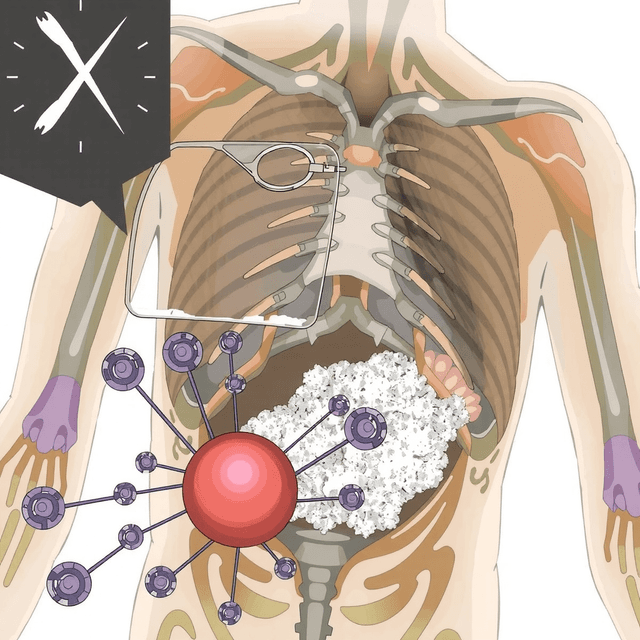
New Perspective on Anticholinergic Toxicity: Rivastigmine Emerges as a Practical Alternative During Physostigmine Shortages
post on 23 May 2025 · Updated 30 Sept 2026

post on 23 May 2025 · Updated 30 Sept 2026
 Medical Toxicologymedicaltoxic.com
https://medicaltoxic.com/news/new-perspective-on-anticholinergic-toxicity-rivastigmine-em
New Perspective on Anticholinergic Toxicity: Rivastigmine Emerges as a Practical Alternative During Physostigmine Shortages
Published: May 2025
Source: Mehrpour O, Marini M, Nakhaee S. Regul Toxicol Pharmacol. 2025;105857. DOI:10.1016/j.yrtph.2025.105857
Physostigmine has long been the cornerstone antidote for managing severe anticholinergic toxicity. However, the recent halt in its U.S. manufacturing and international supply constraints have left emergency providers needing viable alternatives.
In a timely and comprehensive study, Dr. Omid Mehrpour and colleagues evaluate rivastigmine—an acetylcholinesterase inhibitor traditionally used for dementia—as a credible substitute, offering both the mechanistic rationale and a clinical workflow for toxicologic emergencies.
Rivastigmine, unlike physostigmine, is an irreversible cholinesterase inhibitor with a longer duration of action and multiple delivery options (oral and transdermal). It offers central muscarinic reversal but with slower CNS penetration.
The authors provide a clear, weight-based dosing algorithm:
Initial dose: 6 mg once
Then: 3 mg every hour as needed
Maximum: 12 mg in 24 hours
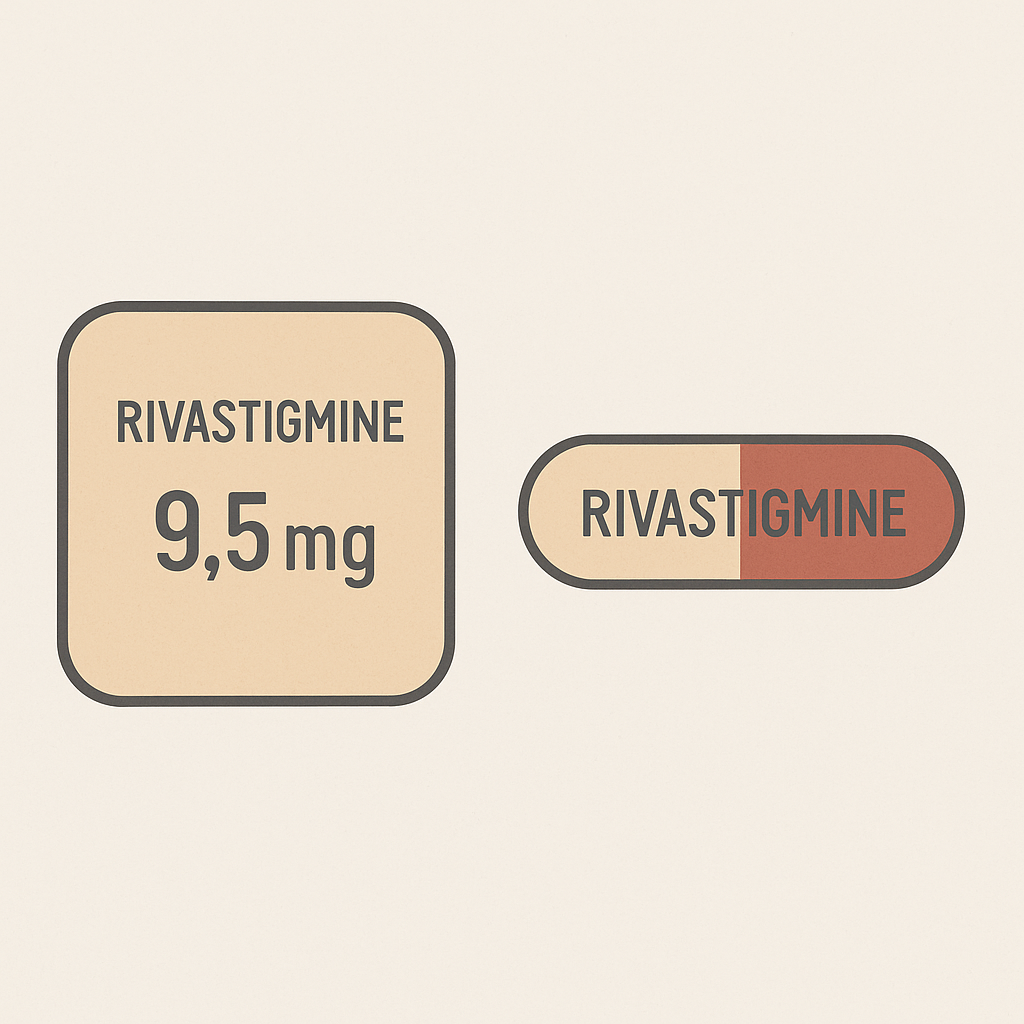
≤100 kg: 9.5 mg/24 h patch
>100 kg: 13.3 mg/24 h patch
Pediatrics (<35 kg): 4.6 mg/24 h patch
Apply between the scapulae to reduce tampering; do not cut the patch.
Additionally, emerging intranasal microemulsion delivery systems may offer rapid CNS onset and improved usability.
While rivastigmine appears safe in observational reports, caution is advised in the following situations:
TCA overdose with QRS >100 ms
Bradycardia, AV block, hypotension
Known allergy or contact dermatitis to rivastigmine
Common adverse effects to monitor:
Nausea, diarrhea, bronchospasm, bradycardia
Cholinergic crisis, especially in polypharmacy overdose
With global drug shortages now a recurrent challenge, rivastigmine stands out as a cost-effective, accessible, and evidence-supported alternative. Already stocked in most hospitals for dementia care, rivastigmine could be repurposed for toxicology with minimal logistical barriers.
Dr. Mehrpour’s team offers a concise, printable dosing algorithm for bedside use, supporting toxicologists and emergency clinicians facing physostigmine scarcity.
Rivastigmine as an Alternative in Physostigmine Shortage for Anticholinergic Toxicity Treatment
Regulatory Toxicology and Pharmacology, 2025
Keep reading