Substance Abuse and Addiction
Kratom Withdrawal Is Real: What to Expect and What Helps
Omid Mehrpour
Post on 05 Jan 2026 · Updated 30 Sept 2026 · 4 min read

Omid Mehrpour
Post on 05 Jan 2026 · Updated 30 Sept 2026 · 4 min read
 Medical Toxicologymedicaltoxic.com
https://medicaltoxic.com/blogs/kratom-withdrawal-is-real-what-to-expect-and-what-helps
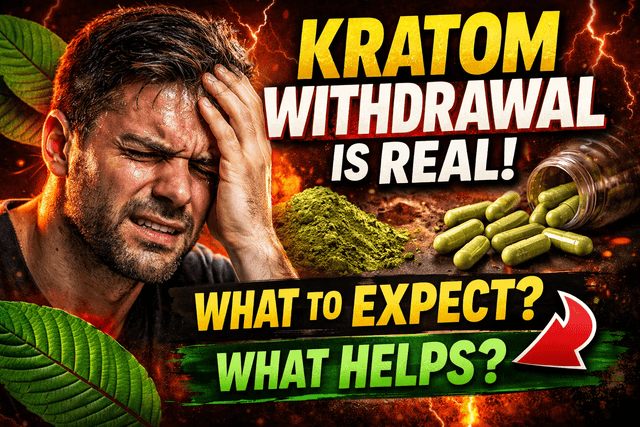
Kratom is often marketed as “natural,” but that does not mean harmless. Regular kratom use can lead to physical dependence, and stopping can trigger a real withdrawal syndrome. A large United States study found that withdrawal and kratom use disorder symptoms become more likely as dosing increases, and that how often someone doses in a day can matter even more than the total daily amount.
Kratom comes from Mitragyna speciosa and contains many active alkaloids, including mitragynine and 7-hydroxymitragynine. These compounds interact with opioid receptors, including the mu opioid receptor, which helps explain how kratom can affect pain, mood, and reward pathways.
With repeated use, the nervous system adapts. When kratom is stopped, the body needs time to rebalance, and withdrawal symptoms can appear.
People describe a mix of physical and psychological symptoms. Common physical symptoms include:
Muscle aches, cramps, twitching, restless legs
Nausea, vomiting, diarrhea, abdominal cramping
Sweating, hot and cold flashes, chills
Tremor, increased heart rate, increased blood pressure
Runny nose, watery eyes, frequent yawning
Psychological symptoms can be just as difficult, and sometimes harder:
Anxiety, irritability, depressed mood
Low energy, low motivation, reduced pleasure
Trouble concentrating, mental “fog”
Strong craving to use kratom
In the United States cohort study, kratom physical dependence was common, and men reported more withdrawal symptoms than women even when dosing patterns were considered.
There is no single clock that fits everyone. Product strength varies, alkaloid content varies, and people vary.
The Kratom Withdrawal That Wasn’t? Some people stop kratom and feel surprisingly little, or only mild symptoms that they do not even label as “withdrawal.” That can happen, especially with lower exposure or less frequent dosing, but it does not mean withdrawal is a myth. It means withdrawal is variable, and the risk goes up with more frequent use and higher overall exposure.
A common pattern is:
First day: restlessness, anxiety, sleep problems, early aches, early craving
Days one through three: symptoms are often most intense
Days four through seven: many people start improving, but sleep and mood can lag
Second week: physical symptoms often fade, but motivation and mood may still be fragile
Longer period in some people: lingering low mood or craving can appear in waves
A scientific expert forum emphasizes that kratom withdrawal is often described as milder than withdrawal from strong opioids, but it can still be very distressing and highly variable.
For many mild to moderate cases, supportive care helps a lot:
Fluids, nutrition, and electrolyte support if needed
Medicines for nausea, diarrhea, muscle aches, and sleep (selected carefully)
A clear plan for cravings and triggers
Clonidine can reduce sweating, tremor, rapid heart rate, and high blood pressure symptoms. It must be monitored because it can lower blood pressure too much.
Buprenorphine combined with naloxone has the most published clinical experience for moderate to severe kratom use disorder in case reports and case series. A small case series and systematic review described a correlation between reported kratom dose and the buprenorphine and naloxone dose used during induction.
However, the expert forum also cautions that buprenorphine (and methadone) should not automatically be the first choice for everyone, especially for people without a history of opioid use, because these are opioid medications that can create dependence if used inappropriately. Decisions should be individualized and clinician-supervised.
A systematic review with a physician survey reported that many clinicians treating kratom use disorder used buprenorphine, reflecting real-world practice patterns, but it does not replace higher-quality comparative trials.
Long-term success usually requires more than getting through the first few days:
Cognitive behavioral therapy
Motivational interviewing
Individual counseling
Peer support and structured follow up
This is education, not personal medical advice. Seek urgent care if you have severe dehydration, fainting, chest pain, confusion, or thoughts of self-harm. If you are stopping multiple substances (especially alcohol or benzodiazepines), the risk profile changes and medical supervision becomes much more important.
In the United States, the Substance Abuse and Mental Health Services Administration national helpline is 1-800-662-4357, available twenty-four hours a day.
© All copyright of this material is absolute to Medical toxicology
Dr. Omid Mehrpour (MD, FACMT) is a senior medical toxicologist and physician-scientist with over 15 years of clinical and academic experience in emergency medicine and toxicology. He founded Medical Toxicology LLC in Arizona and created several AI-powered tools designed to advance poisoning diagnosis, clinical decision-making, and public health education. Dr. Mehrpour has authored over 250 peer-reviewed publications and is ranked among the top 2% of scientists worldwide. He serves as an associate editor for several leading toxicology journals and holds multiple U.S. patents for AI-based diagnostic systems in toxicology. His work brings together cutting-edge research, digital innovation, and global health advocacy to transform the future of medical toxicology.
Rogers, Jeffrey M., Weiss, Stephanie T., Epstein, David H., and colleagues. Kratom addiction per Diagnostic and Statistical Manual of Mental Disorders Fifth Edition substance use disorder criteria, and kratom physical dependence: Insights from dosing amount versus frequency. Drug and Alcohol Dependence. 2024.
Henningfield, Jack E., and colleagues. Kratom withdrawal: Discussions and conclusions of a scientific expert forum. Drug and Alcohol Dependence Reports. 2023.
Weiss, Stephanie T., Douglas, Heather E. Treatment of Kratom Withdrawal and Dependence With Buprenorphine and Naloxone: A Case Series and Systematic Literature Review. Journal of Addiction Medicine. 2021;15(2):167–172.
Stanciu, Cornel, and colleagues. Pharmacotherapy for Management of “Kratom Use Disorder”: A Systematic Literature Review With Survey of Experts. Wisconsin Medical Journal. 2021;120(1):54–61.
Keep reading
 Substance Abuse and Addiction
Amirhosein Shabrang
 Substance Abuse and Addiction
Omid Mehrpour
 Substance Abuse and Addiction
Omid Mehrpour
 Substance Abuse and Addiction
Omid Mehrpour