Emerging Toxins
Hidden Heavy Metals in Vapes: New Study Reveals Dangerous Exposure Levels
Post on 27 Jan 2026 · Updated 02 Oct 2026 · 11 min read

Post on 27 Jan 2026 · Updated 02 Oct 2026 · 11 min read
 Medical Toxicologymedicaltoxic.com
https://medicaltoxic.com/blogs/hidden-heavy-metals-in-vapes-new-study-reveals-dangerous-ex
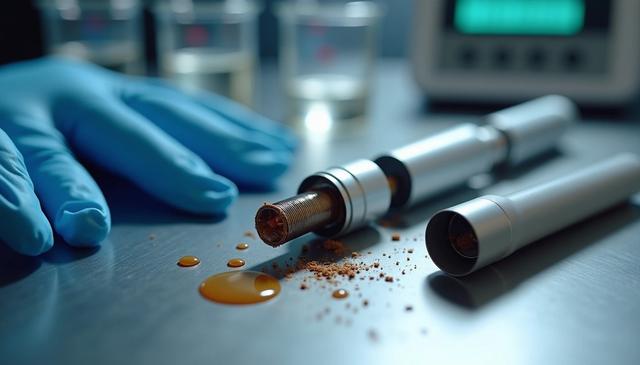
The health risks from heavy metals in vapes are more serious than most people think. A single day's use of one disposable e-cigarette releases more lead than nearly 20 packs of traditional cigarettes. These disposable e-cigarettes are accessible to more people in the United States, even though most of them are illegal. Users face dangerous exposure levels to toxic substances.
Recent studies paint a concerning picture about metals in vapes and their dangers. Scientists found toxic metals in every tested vape sample. The results showed that vapors from three devices had nickel levels above cancer risk limits. Two devices showed dangerous antimony levels. The biggest problem comes from lead in vapes. Vapors from four devices showed nickel and lead emissions that went beyond safe limits. These metals can cause neurological damage and respiratory diseases. The evidence leaves no doubt about metal presence in vapes. Scientists discovered at least 35 different elements or metals in e-cigarette aerosols. Many of these metals don't even exist in traditional cigarette smoke.
This piece will get into the troubling discoveries about heavy metals in disposable vapes. We'll break down how these metals get into the vapor and look at the health risks. We'll also see how regulatory gaps let these dangerous products stay on the market.
Scientists have found dangerous levels of toxic metals in the vapor from popular disposable e-cigarette brands. Lab tests of these devices show a troubling pattern of metal contamination that gets worse as people keep using them.
Tests on seven disposable vapes from three major brands revealed dangerous levels of several heavy metals. Three devices produced nickel vapors above cancer risk limits [1], and two devices released antimony beyond safe levels [1]. The results showed that four devices released nickel and lead at levels too high for safe exposure, putting users at risk of non-cancer diseases [1].
The Esco Bar devices stood out with dangerously high metal content. Tests found lead levels up to 175 ppm, nickel up to 38 ppm, copper up to 546 ppm, and zinc up to 462 ppm in both liquids and vapors [2]. Some devices had high lead and antimony content even before anyone used them [1].
Scientists tested these vapes in real-life conditions by taking 500 to 1,500 puffs from each device [1]. The results painted a grim picture - chromium, nickel, and antimony levels grew higher with more puffs [1]. Users face greater metal exposure the more they vape. The heating coils released chromium and nickel into the e-liquids during use, with levels jumping up to 1000 times higher over time [3].
Most devices showed steady increases in chromium and nickel between 100 and 300 puffs [2]. This pattern shows that device parts break down over time. Zinc, copper, and lead showed high levels right from the first puff [4].
The numbers tell a shocking story - one disposable e-cigarette can release more lead in a single day than 20 packs of regular cigarettes [5]. These new disposables pump out way more metals than older refillable vapes [1].
Earlier studies showed e-cigarettes produced about 10 times less metal overall than regular cigarettes. However, chromium and nickel levels were much higher in e-cigarette vapor [6]. These findings suggest that disposable vapes might create unique health risks that other nicotine products don't have.
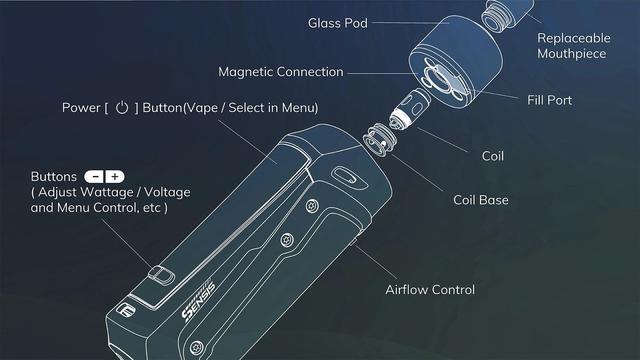
Let's get into how toxic metals end up in vape aerosols. Scientists took apart popular devices to find where these dangerous elements come from. They found three main ways these contaminants make their way into the vapor.
Lead in vape aerosols comes from an unexpected place - internal parts made from leaded bronze alloys. Scientists traced high lead levels in Esco Bar devices back to non-heating parts made from these copper alloys with high lead content [7]. These parts leak metals into the e-liquid, and some Esco Bar samples had lead levels that reached a staggering 175,000 µg per kg [8]. The situation becomes worse because this leaking starts right away when the parts touch the liquid. This explains the high lead and nickel levels before anyone uses the device [7]. Using leaded bronze in these parts is against regulations and puts users at serious risk [8].
Heating coils are another major source of metal contamination. These coils use nichrome (nickel-chromium) alloys or kanthal (iron-chromium-aluminum), which break down as they heat up [9]. This breakdown lets nickel and chromium seep into the e-liquid. The metal levels can jump up to 1000-fold as the device ages [7]. Research backs this up - users who switched their coils more often had higher nickel levels in their urine [10]. The heating basically transfers metal particles from the coils straight into the vapor that users breathe in [11].
Many vape aerosols contain high antimony levels, but the source remains a mystery. Scientists couldn't link antimony contamination to any specific part inside the devices [7]. They found that there was antimony in unused e-liquids at high levels [12]. The situation gets more concerning - lab tests showed that while some antimony existed as less harmful Sb(V), some was present as Sb(III) - a known carcinogenic form [13]. This points to contamination happening during manufacturing, before devices even reach users.
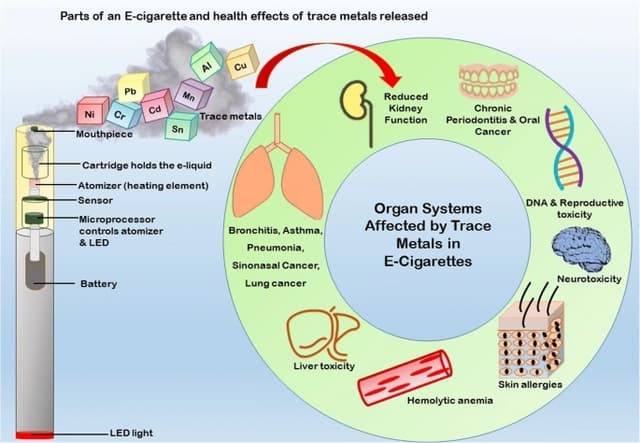
Heavy metals in vapes pose serious health risks that go way beyond the reach and influence of simple irritation. Lab studies show these toxins can alter lives when people use them regularly.
Tests reveal that nickel vapors from three disposable devices and antimony levels in two devices are a big deal as they exceed cancer risk limits [14]. Scientists found carcinogenic antimony (Sb(III)) among other forms in vapor samples [13]. Chromium appears mostly in its non-toxic form, but its cancer risk still exceeds safe levels even at low amounts [15]. Studies show vapers have a calculated total cancer risk of 5.35 × 10⁻⁴, which means about 535 new cancer cases for every million users [15].
Lead from vapes creates serious dangers because there's no safe level of exposure [2]. Teen vapers who use occasionally showed 40% higher lead levels, while frequent users had 30% more lead than occasional users [16]. This neurotoxin harms developing brains and can cause cognitive problems, behavior changes, and breathing issues [16]. Scientists found lead buildup mostly in the test subjects' striatum and anterior frontal cortex regions [17].
Young people face higher risks because their nervous systems are still developing [17]. Sweet-flavored vapes make nicotine less harsh and improve its reinforcing effects. These vapes showed uranium levels twice as high in frequent users compared to occasional users [16]. Teen vapers performed worse on brain tests, likely because of reduced blood flow to the brain [2]. Brain scans of young vapers revealed worrying signs like frontal cortex oxidative stress, lower dopamine levels, and blood-brain barrier breakdown [1].
The oversight of disposable vapes is nowhere near adequate. This has created perfect conditions for heavy metals in vapes to reach dangerous levels. A growing public health crisis emerges as the gap between written regulations and enforcement continues to widen.
The FDA has authorized only 34-39 e-cigarette products for legal sale in the United States [5]. This small number is just a fraction of what you can find in stores nationwide. No specific standards exist for materials used in vape construction, especially when you have metal components that contact e-liquids [3]. Lab tests show these parts contain toxic elements like arsenic, mercury, lead, and antimony [3]. Yes, it is the complexity of vape materials that creates major challenges for safety regulation and disposal [3].
80% of vapes on the market today are illicit [18]. Chinese manufacturers produce between 70-90% of unauthorized vapes that enter the US [19]. These products sneak through customs labeled as "toys" or "flashlights" [19]. Manufacturers use "port shopping" techniques to avoid inspections [19]. The FDA has warned retailers, but enforcement remains spotty. Recent operations have seized over 2.1 million unauthorized vaping products across seven states [20].
Leaded bronze alloys and nickel-based heating elements pose serious risks. Metal components made of aluminum, stainless steel, or nickel-based alloys often contain bismuth, lead, and tungsten [3]. No rules force manufacturers to use safer alternatives despite clear evidence of metal leaching [3]. Experts say nickel-free coils and lead-free components would reduce heavy metal exposure significantly [4].
Heavy metals in disposable vapes pose the most important health threat we've seen, going way beyond the usual concerns about vaping. Research shows these devices release more lead during a day's use than nearly 20 packs of traditional cigarettes. Of course, this news should alarm even casual users, especially when you have progressive metal contamination from regular use.
These vape aerosols get contaminated with heavy metals in several ways. Leaded bronze alloys leak into e-liquids. Nickel heating coils break down over time. E-liquid solutions come pre-contaminated. Users unknowingly inhale this toxic mixture with every puff. The danger comes from carcinogenic antimony, neurotoxic lead, and harmful chromium and nickel.
The health impact goes way beyond minor irritation. Lab tests show cancer risk levels for multiple metals are too high. Lead exposure is a big deal as it means that developing brains face serious risks, making teenagers vulnerable. These findings match the cognitive problems and brain changes seen in young users.
Despite these dangers, we don't deal very well with regulatory oversight. About 80% of vapes in circulation today are illegal. Manufacturers make them with dangerous materials and no quality checks. The FDA can't keep up with this flood of unauthorized products.
We need complete regulation of vape components and materials right now. Manufacturers could use safer alternatives to leaded bronze alloys and nickel-based heating elements, but they're not required to. Users face hidden and dangerous levels of heavy metal exposure every time they vape. Science now shows that disposable vapes aren't just nicotine delivery systems - they're delivering dangerous neurotoxins and carcinogens too.
Recent research reveals alarming levels of toxic heavy metals in disposable vapes that pose serious health risks to users, particularly young people.
• Disposable vapes release more lead than cigarettes - One device emitted more lead during daily use than nearly 20 packs of traditional cigarettes
• Metal contamination worsens with use - Nickel, chromium, and antimony levels increase substantially from 500-1500 puffs as heating coils degrade
• Cancer risk thresholds exceeded - Three devices had nickel levels and two had antimony levels surpassing established cancer safety limits
• Teens face heightened dangers - Developing brains are more susceptible to lead's neurotoxic effects, with studies showing cognitive impairments in young vapers
• 80% of vapes are illegal - Most devices lack FDA approval and use dangerous leaded bronze components with zero quality control
The combination of leaded bronze alloys, degrading nickel coils, and pre-contaminated e-liquids creates a toxic exposure pathway that regulatory agencies have failed to address, making disposable vapes potential delivery systems for carcinogens and neurotoxins rather than safer nicotine alternatives.
Studies have detected nickel, lead, antimony, chromium, copper, and zinc in disposable vape aerosols. Nickel and lead are particularly concerning, as they often exceed health risk thresholds.
Shockingly, one disposable e-cigarette can release more lead during a day's use than nearly 20 packs of traditional cigarettes. While e-cigarettes generally produce fewer overall metal emissions, they have significantly higher levels of chromium and nickel.
The metals primarily come from three sources: leaded bronze alloys used in device components, nickel-chromium heating coils that degrade during use, and pre-existing contamination in e-liquids. These sources continuously leach metals into the vapor as the device is used.
Inhaling these metals can increase cancer risk, particularly from nickel and antimony exposure. Lead exposure can cause neurological damage and respiratory diseases, with children and teens being especially vulnerable due to their developing brains.
Currently, there's a significant lack of FDA standards for materials used in disposable vape construction. Approximately 80% of vapes on the market are illegal, and enforcement challenges make it difficult to control the influx of unauthorized products. There's an urgent need for comprehensive regulation of vape components and materials.
© All copyright of this material is absolute to Medical toxicology
[1] - https://www.sciencedirect.com/science/article/abs/pii/S0013935121008513
[2] - https://www.alzdiscovery.org/cognitive-vitality/blog/can-vaping-harm-the-brain
[3] - https://www.sciencedirect.com/science/article/pii/S0048969724064489
[4] - https://pmc.ncbi.nlm.nih.gov/articles/PMC6084876/
[5] - https://www.fda.gov/tobacco-products/market-and-distribute-tobacco-product/e-cigarettes-vapes-and-other-electronic-nicotine-delivery-systems-ends-authorized-fda
[6] - https://pharmaceutical-journal.com/article/news/mixed-results-for-heavy-metal-emissions-from-e-cigarettes
[7] - https://www.technologynetworks.com/applied-sciences/news/disposable-e-cigarettes-emit-more-heavy-metals-than-traditional-cigarettes-401425
[8] - https://pubs.acs.org/doi/10.1021/acscentsci.5c00641
[9] - https://pmc.ncbi.nlm.nih.gov/articles/PMC7137911/
[10] - https://publichealth.jhu.edu/2018/study-lead-and-other-toxic-metals-found-in-e-cigarette-vapors
[11] - https://www.nature.com/articles/s41598-025-17004-2
[12] - https://www.cannabisequipmentnews.com/news/news/22944391/disposable-ecigarettes-more-toxic-than-traditional-cigarettes
[13] - https://www.acs.org/pressroom/presspacs/2025/june/metals-found-in-disposable-e-cigarette-vapor-could-pose-health-risks.html
[14] - https://poulinlab.ucdavis.edu/news/new-study-highlights-risks-metals-lead-nickel-and-antimony-disposable-e-cigarettes
[15] - https://www.nature.com/articles/s41598-023-43112-y
[16] - https://bmjgroup.com/frequent-teen-vaping-might-boost-risk-of-toxic-lead-and-uranium-exposure/
[17] - https://pmc.ncbi.nlm.nih.gov/articles/PMC8578258/
[18] - https://www.thetimes-tribune.com/2025/11/10/crackdown-on-illicit-vape-trade-producing-results/
[19] - https://pirg.org/edfund/resources/vape-waste-the-environmental-harms-of-disposable-vapes/
[20] - https://www.bipc.com/increased-enforcement-and-seizure-activity-of-nicotine-vaping-products
Keep reading
 Emerging Toxins
 Emerging Toxins