Environmental and Occupational Toxicology
Chlorine vs Chloride: Toxicity Differences (Bleach vs Salt)
Omid Mehrpour
Post on 20 Jan 2026 · Updated 01 Oct 2026 · 10 min read

Omid Mehrpour
Post on 20 Jan 2026 · Updated 01 Oct 2026 · 10 min read
 Medical Toxicologymedicaltoxic.com
https://medicaltoxic.com/blogs/chlorine-vs-chloride-toxicity-differences-bleach-vs-salt
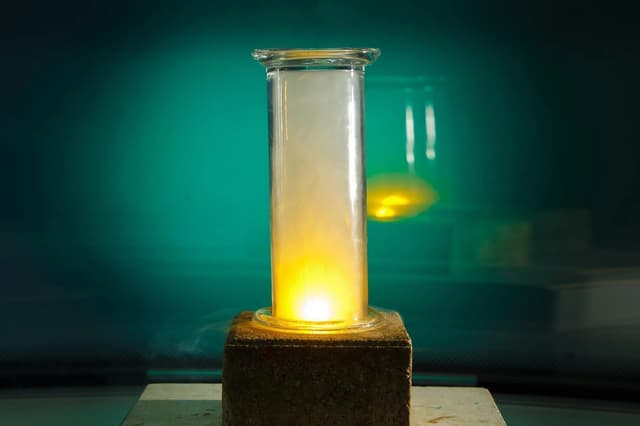
Most people come across chlorine and chloride every day without noticing their basic differences. Chlorine exists as a poisonous, yellowish-green gas that easily dissolves in water to create strong disinfectants and bleaches . The name might sound similar, but chloride is completely different.
These two substances are not the same at all. Chlorine works as a highly reactive, toxic gas that we used to treat water and handle industrial tasks . Chloride ions naturally exist in our drinking water and don't cause health issues at normal levels. Understanding the difference between chlorine and chloride matters a lot, especially since about 5% of water treatment plants that serve more than 100,000 people across the United States use chlorine dioxide to treat drinking water . This affects roughly 12 million Americans who might get exposed to chlorine compounds through their water supply . Water treatment plants typically maintain chlorine levels between 0.2 to 0.5 mg/L to keep water clean .
Let's explore the main differences between chloride and chlorine, from their chemical makeup to how they affect our health and environment. Learning about these differences helps us understand these substances' roles in our water, food, and industrial processes better.
The behavior of chlorine and chloride varies due to their chemical nature. These substances contain the same element but show different chemical behaviors because of their atomic structures and properties.
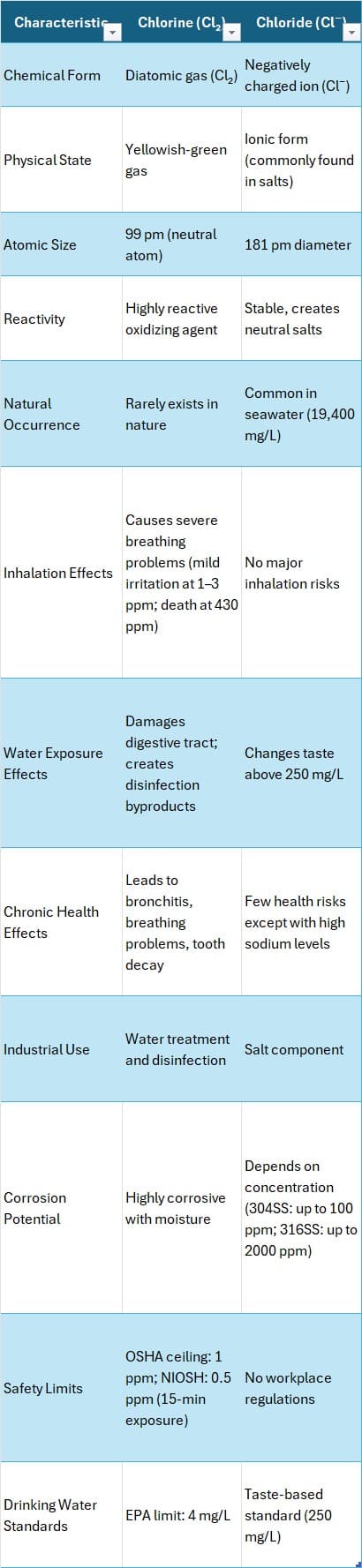
Chlorine exists as a diatomic gas (Cl2) at the atomic level. Two chlorine atoms bond together to create a greenish-yellow gas that weighs 2.5 times more than air [1]. The chloride form appears as a negatively charged ion (Cl-) when a chlorine atom gains an electron [2]. Their properties contrast because chlorine molecules have uncharged atoms that share electrons, while chloride ions carry a negative charge. The chloride ion's diameter (181 pm) is substantially larger than a neutral chlorine atom's (99 pm) [3].
Chlorine's chemical nature makes it highly reactive. The element acts as a strong oxidizing agent with high electronegativity and electron affinity [4], and it readily accepts electrons from other substances. This reactivity allows chlorine to combine with all but one of these elements - the lighter noble gasses [4]. Chloride ions represent chlorine's reduced form because they have already gained an electron and reached stability. These ions typically form neutral salts like sodium chloride (table salt), potassium chloride, and calcium chloride [5].
Pure chlorine gas rarely exists in nature because it reacts so readily [6]. Companies produce elemental chlorine through electrolysis of sodium chloride brine, which creates chlorine gas, sodium hydroxide, and hydrogen [7]. Chloride ions appear abundantly in natural environments, especially in seawater, which contains about 19,400 mg/liter of these ions [3]. These ions also exist in soil, rocks, and living organisms [6]. The oceans release nearly three million tons of organochlorines each year - nowhere near what humans produce [6].
This basic difference between chlorine as reactive gas and chloride as stable ion explains their varying toxicity, environmental effects, and practical uses.
Chlorine and chloride have dramatically different toxicity profiles that reveal vital health differences between these chemically related substances.
Chlorine gas creates dangerous respiratory conditions. Low concentrations (1-3 ppm) cause mild nose irritation, while 5 ppm triggers eye irritation [8]. Higher exposure at 30 ppm results in immediate chest pain, vomiting, and cough [8]. Concentrations between 40-60 ppm can cause pulmonary edema, and exposure to 430 ppm can be fatal after 30 minutes [8]. People with existing respiratory conditions face more severe reactions [8]. Salt-form chloride ions, however, create no inhalation hazards during normal exposure.
Water treatment uses chlorine as a disinfectant, but this comes with risks. Hypochlorite solution irritates the esophagus when consumed, and concentrated amounts can severely damage the digestive tract [8]. Over time, chlorine creates disinfection byproducts that might increase health risks [9]. Chloride in drinking water remains mostly harmless. EPA guidelines recommend water should not exceed 20 mg/L of sodium for restricted sodium diets [10]. High chloride levels affect water's taste rather than health, making it noticeably salty above 250 mg/L [10].
Extended chlorine exposure can trigger respiratory problems, including bronchitis, shortness of breath, and tooth enamel corrosion [11]. Workers with regular exposure often show respiratory effects and irritation [12]. The exposure might cause reactive airways dysfunction syndrome, a chemical-induced form of asthma [13]. Chloride, an essential electrolyte, rarely causes health issues except when it suggests high sodium levels, which affects people on sodium-restricted diets [14].
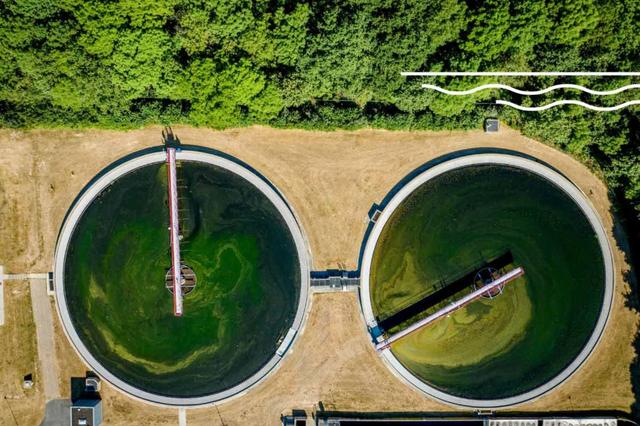
Chlorine and chloride show significant practical differences in their industrial uses and environmental effects, beyond their chemical structure.
Metals face aggressive corrosion from moist chlorine, especially when it dissolves in water to form hydrochloric and hypochlorous acids [15]. Stainless steel grades handle chloride differently. The 304/304L grades can handle chloride levels up to 100 ppm, while 316/316L grades work with waters containing about 2000 ppm [16]. These metals also show different tolerances to free chlorine - 304 types can withstand 2 ppm and 316 types up to 5 ppm [17].
The United States primarily uses chlorination to disinfect drinking water [3]. Several factors determine how well it works: concentration, contact time, pH, and temperature [18]. Water treatment facilities use the CT value (Concentration × Time) to measure how effectively it kills pathogens, helping them balance chlorine levels with exposure time [18].
Chloride ions behave differently from chlorine gas. They dissolve easily in water and readily enter biological systems [19]. A single teaspoon of salt ruins five gallons of water permanently [20]. Fresh water contaminated with chloride cannot be cleaned with current technology [20].
Organic matter reacts with chlorine to create disinfection by-products (DBPs), including trihalomethanes (THMs) [21]. Scientists have found more than 700 DBPs in various water environments [22]. These DBPs can cause cancer and damage cells, genes, or DNA [23].
The safety rules show a clear difference between chlorine and chloride compounds based on how dangerous they can be.
Workplaces must follow strict limits for chlorine gas. OSHA has set a maximum of 1 ppm [5], while NIOSH says 0.5 ppm is the limit for 15-minute exposure [24]. ACGIH sets an 8-hour limit at 0.5 ppm [25]. These tight rules exist because chlorine can be deadly - just 10 ppm can put your life at risk [26]. Chloride ions don't need such rules since they're stable and much safer.
Quick action matters if chlorine leaks happen:
Move people upwind or crosswind from the leak [27]
Don't put water on leaking chlorine [28]
Use proper breathing protection during response [29]
Get fresh air into indoor spaces [27]
Chlorine is 2.5 times heavier than air, so it sinks to low spots and makes exposure more likely [5].
We track chlorine levels in three ways: colorimetric tubes give quick field results (±35% accuracy), personal sampling pumps with filters use NIOSH method 6011, and electrochemical sensors watch levels non-stop [26].
Drinking water rules let chlorine reach 4 mg/L under EPA standards [30], but WHO suggests 5 mg/L [4]. This shows how regulators treat chloride and chlorine quite differently.
Knowing how to tell chlorine from chloride is vital for anyone who cares about water safety, industrial uses, or environmental health. These substances share a chemical connection but act very differently in our world. Chlorine is a highly reactive, toxic gas that needs careful handling and strict rules. Chloride, on the other hand, exists as a stable ion that naturally occurs in our bodies and surroundings.
This difference explains why you'll find warning labels on bleach but not on table salt. Chlorine gas works well as a disinfectant because it's so reactive. However, it can seriously damage your lungs even at low levels. Chloride ions are much safer and only raise concerns at the time they point to high sodium levels.
These substances behave differently in nature too. Chlorine can mix with organic matter and create harmful byproducts. Chloride mostly changes how water tastes rather than making it toxic. It also stays in freshwater systems for a long time, which creates lasting environmental challenges once it gets in.
Rules and regulations for these substances show just how different they are. Workers must follow strict exposure limits and emergency plans for chlorine because it's immediately dangerous. Chloride faces few regulations because it's stable and has low toxicity.
Chlorine and chloride might come from the same element, but they sit at opposite ends of the reactivity scale. This fact has real-life implications for public health, water treatment, industrial safety, and environmental protection. Next time you see either one—in your pool, salt shaker, or tap water—you'll understand the significant chemical difference that sets them apart.
Understanding the fundamental differences between chlorine and chloride is crucial for safety, health, and environmental awareness in our daily lives.
• Chemical Structure Matters: Chlorine (Cl₂) is a toxic gas, while chloride (Cl⁻) is a stable ion found in table salt—same element, completely different safety profiles.
• Toxicity Levels Vary Dramatically: Chlorine gas causes severe respiratory damage at just 1-3 ppm, while chloride ions pose minimal health risks except for taste concerns.
• Workplace Safety Requirements Differ: Chlorine has strict exposure limits (0.5-1 ppm) and emergency protocols, while chloride remains unregulated due to low toxicity.
• Environmental Impact Contrasts: Chlorine forms harmful disinfection byproducts and corrodes metals, while chloride primarily affects water taste and persists in freshwater systems.
• Regulatory Approaches Reflect Risk: EPA limits chlorine in drinking water to 4 mg/L with strict monitoring, while chloride standards focus on taste rather than toxicity.
This knowledge empowers you to make informed decisions about water treatment, chemical safety, and environmental protection while recognizing why bleach requires caution labels but salt sits safely on your table.
Chlorine is a highly reactive, toxic gas used primarily for water treatment and industrial applications. Chloride, on the other hand, is a stable ion that occurs naturally in our drinking water and poses minimal health concerns at normal concentrations.
While bleach and chlorine are closely related, they are not exactly the same. Bleach is typically a diluted solution of sodium hypochlorite in water, while chlorine refers to the elemental form (Cl2). Both contain chlorine as the active ingredient, but bleach is a more stable, liquid form used for household cleaning and disinfection.
Chlorine is used as a disinfectant in water treatment and can form potentially harmful byproducts when it reacts with organic matter. Chloride, however, primarily affects water taste rather than safety. High levels of chloride (above 250 mg/L) can make water taste noticeably salty but generally do not pose significant health risks.
Yes, there are significant differences in workplace safety regulations for chlorine and chloride. Chlorine has strict exposure limits (0.5-1 ppm) and requires specific emergency protocols due to its toxicity. Chloride, being much less hazardous, is not regulated in workplace environments.
Chlorine can form harmful disinfection byproducts in water and is corrosive to metals. It requires careful handling to prevent environmental contamination. Chloride, while less directly harmful, can persist in freshwater systems and affect aquatic life at high concentrations. Unlike volatile chlorine gas, chloride ions are highly soluble and bioavailable in water.
© All copyright of this material is absolute to Medical toxicology
Dr. Omid Mehrpour (MD, FACMT) is a senior medical toxicologist and physician-scientist with over 15 years of clinical and academic experience in emergency medicine and toxicology. He founded Medical Toxicology LLC in Arizona and created several AI-powered tools designed to advance poisoning diagnosis, clinical decision-making, and public health education. Dr. Mehrpour has authored over 250 peer-reviewed publications and is ranked among the top 2% of scientists worldwide. He serves as an associate editor for several leading toxicology journals and holds multiple U.S. patents for AI-based diagnostic systems in toxicology. His work brings together cutting-edge research, digital innovation, and global health advocacy to transform the future of medical toxicology.
[1] - https://en.wikipedia.org/wiki/Chlorine
[2] - https://pmc.ncbi.nlm.nih.gov/articles/PMC9956284/
[3] - https://www.ncbi.nlm.nih.gov/books/NBK217999/
[4] - https://cdn.who.int/media/docs/default-source/wash-documents/wash-chemicals/chlorine-fs-new.pdf?sfvrsn=76500d09_4
[5] - https://nj.gov/health/eoh/rtkweb/documents/fs/0367.pdf
[6] - https://www.eurochlor.org/about-chlor-alkali/chlorine-in-nature/
[7] - https://www.chlorine.org/what-is-chlorine/manufacturing/
[8] - https://wwwn.cdc.gov/TSP/PHS/PHS.aspx?phsid=683&toxid=36
[9] - https://www.epa.gov/dwreginfo/stage-1-and-stage-2-disinfectants-and-disinfection-byproducts-rules
[10] - https://www.healthvermont.gov/environment/drinking-water/sodium-and-chloride-drinking-water
[11] - https://www.michigan.gov/-/media/Project/Websites/mdhhs/Folder1/Folder23/Chlorine_fact_sheet.pdf?rev=9554e6cee85442ae8519902c91bd066e
[12] - https://www.epa.gov/sites/default/files/2016-09/documents/chlorine.pdf
[13] - https://www.cdc.gov/niosh/ershdb/emergencyresponsecard_29750024.html
[14] - https://www.cleanwaterstore.com/blog/effects-of-chloride-in-well-water-and-how-to-remove-it/?srsltid=AfmBOop1uKH4X-Em8TOtNuh3ucjqrA0hnu50od1ZYzw3Y6eUlWa7DDtG
[15] - https://www.chlorineinstitute.org/chlorine-chemical-properties
[16] - https://www.penflex.com/news/chloride-chlorine-levels-and-stainless-steel-alloy-selection/
[17] - http://www.assda.asn.au/stainless-steel/grade-selection/chlorine-vs-chloride
[18] - https://water.mecc.edu/concepts/chlorefficiency.html
[19] - https://www.sciencedirect.com/science/article/abs/pii/S0048969719344730
[20] - https://www.pca.state.mn.us/pollutants-and-contaminants/chloride
[21] - https://www.fwrj.com/techarticles/0410 FWRJ_tech1.pdf
[22] - https://www.sciencedirect.com/science/article/pii/S0043135424008339
[23] - https://pmc.ncbi.nlm.nih.gov/articles/PMC8799444/
[24] - https://www.cdc.gov/niosh/npg/npgd0115.html
[25] - http://www.osha.gov/chemicaldata/650
[26] - https://www.saif.com/documents/SafetyandHealth/Chemicals/S415_Chlorine_gas.pdf
[27] - https://www.cdc.gov/chemical-emergencies/chemical-fact-sheets/chlorine.html
[28] - https://www.epa.gov/emergency-response/classic-emergencies
[29] - https://www.vdh.virginia.gov/content/uploads/sites/14/2019/05/Chlorine-Release-1.pdf
[30] - https://www.ncbi.nlm.nih.gov/books/NBK598768/table/ch8.tab1/?report=objectonly
Keep reading
 Environmental and Occupational Toxicology
Amir Mohammad Mottaghi
 Environmental and Occupational Toxicology
Amir Mohammad Mottaghi
 Environmental and Occupational Toxicology
Omid Mehrpour
 Environmental and Occupational Toxicology
Omid Mehrpour