Breaking: Poe Hall PCB exposure alleged in new cancer lawsuit, as federal “cluster” review continues
post on 31 Jan 2026

post on 31 Jan 2026
 Medical Toxicologymedicaltoxic.com
https://medicaltoxic.com/news/breaking-poe-hall-pcb-exposure-alleged-in-new-cancer-lawsui
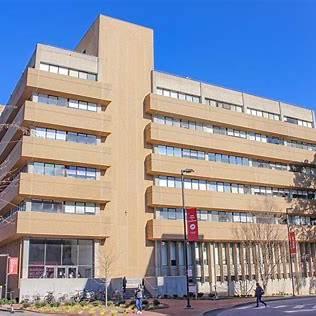
Breaking: Poe Hall PCB exposure alleged in new cancer lawsuit, as federal “cluster” review continues
A newly filed lawsuit alleges that PCB exposure in Poe Hall caused breast cancer and other harms to former students, faculty, and staff, naming 12 plaintiffs (including three wrongful-death estates) and seeking damages and a jury trial.
Separately, a federal epidemiologist indicated that the U.S. government would take steps to evaluate whether an excess of specific cancers occurred among employees who worked in Poe Hall, including cross-referencing employee lists with the state cancer registry.
PCBs (polychlorinated biphenyls) are persistent industrial chemicals historically used in electrical equipment and some building materials; they can accumulate in indoor dust and air in older structures.
Cancer evidence: The U.S. Environmental Protection Agency concludes that PCBs are probable human carcinogens, and the International Agency for Research on Cancer classifies PCBs as carcinogenic to humans (Group 1).
Poe Hall testing narrative (as reported): later investigation work emphasized Aroclor-1262 and pointed to gold-colored insulation sealant inside HVAC supply ducts as a likely primary source; air results were reported as not exceeding applicable EPA risk-based thresholds in those tests, even while some duct materials had higher concentrations.
Case counts are self-reported: one investigative report stated that 215 people had reported cancer after time in Poe Hall (as of Oct 2024), with breast cancer a prominent concern.
The lawsuit alleges a long-running failure to detect and mitigate PCB contamination, stating that occupants were exposed through inhalation, ingestion of dust, and skin contact with contaminated surfaces, and that the university did not act despite warnings and complaints.
A lawsuit is a set of allegations, not a scientific conclusion.
Even when a chemical is carcinogenic, linking a specific person’s cancer to a specific building requires careful epidemiology (exposure assessment, timelines, comparison rates, confounders).
In an earlier update, an epidemiologist for U.S. Department of Health and Human Services wrote that federal officials were taking action to understand cancers among employees who worked in the building, including cross-referencing employees with registry data to determine whether there was an excess of “specific cancer types.”
That same report noted that, as of Oct 2024, 215 people had reported cancer after spending time in Poe Hall, with many cases reported within the prior 15 years.
PCBs are not one chemical but a family of compounds. Commercial mixtures were often sold under names like Aroclor. One of these mixtures, Aroclor-1262, is a PCB mixture typically described as having roughly 61.5–62.5% chlorine by weight, which influences how persistent it is and how it behaves in air, dust, and materials.
From a health-risk standpoint, the key points are:
Persistence: PCBs linger for decades in older infrastructure unless removed.
Carcinogenicity: Major bodies recognize carcinogenic potential (EPA “probable,” IARC Group 1), while clinical summaries emphasize that specific cancer associations can vary by study design and exposure circumstances.
Exposure pathways in buildings: inhalation of contaminated air, ingestion of dust (hand-to-mouth, food contact), and dermal contact, especially when contaminated materials deteriorate or are disturbed.
One campus report on phase-two testing (as described in independent coverage) emphasized that while Aroclor-1262 was found in various HVAC-related materials, air testing in that phase was below applicable EPA risk-based thresholds. Investigators pointed to insulation sealant in supply ducts as a likely primary source.
This matters because it identifies a plausible mechanism: HVAC-associated materials can seed dust reservoirs and drive distribution patterns that align with occupant complaints (visible particulates, “burping” vents), even when short-window air sampling appears “acceptable.” That said, translating this into individualized cancer causation is exactly the kind of question that requires the ongoing registry-based cluster evaluation described above.
In response to the suit, the university said it would address the legal action through appropriate channels and separately noted it would continue pursuing accountability against Monsanto related to PCBs associated with the building, while moving forward with planning for remediation.
(That is the university’s stated position as reported, not an established finding of liability.)
This is general information, not medical advice. If you are concerned:
Document your timeline: roles, floors/rooms, dates, and any unusual exposure events (dust, odors, HVAC issues).
Share exposure context with your clinician: especially if you are undergoing cancer screening decisions or have a new diagnosis.
Follow official updates and any registry/outreach instructions as investigations proceed.
Is Poe Hall PCB exposure proven to cause these cancer cases?
No. The current moment is a combination of allegations (lawsuit) and an ongoing investigation to determine whether cancer rates are elevated in a defined group and, if so, whether exposure patterns plausibly explain it.
What is Aroclor-1262?
A commercial PCB mixture, typically containing about 61.5–62.5% chlorine, used historically in industrial applications and sometimes encountered in older building-related contexts.
Are PCBs considered carcinogenic?
Yes, multiple authorities recognize carcinogenic potential: the EPA classifies PCBs as probable human carcinogens, and IARC classifies them as carcinogenic to humans (Group 1)
References:
Keep reading