Public Health and Poison Prevention
Dog Poisoning: Signs, Common Causes, and What to Do
Omid Mehrpour
Post on 26 Aug 2024 · Updated 25 Nov 2026 · 8 min read
Omid Mehrpour
Post on 26 Aug 2024 · Updated 25 Nov 2026 · 8 min read
 Medical Toxicologymedicaltoxic.com
https://medicaltoxic.com/blogs/dog-poisoning-signs-symptoms-and-what-to-do
Dogs can be exposed to harmful substances in everyday settings, including foods, human medications, cleaning products, pesticides, and garden plants. Recognizing a possible poisoning and seeking veterinary advice promptly can help prevent serious complications.
The American Society for the Prevention of Cruelty to Animals (ASPCA) identified over-the-counter medications, food and drink, and prescription medications among the leading categories of animal poison-control exposures reported in 2025. These figures represent reported exposures involving pets, not the incidence of poisoning in all dogs. [1]
This guide explains the common causes and warning signs of dog poisoning, what to do after a suspected exposure, and practical ways to make your home safer.
Common hazards include chocolate, xylitol-containing products, grapes and raisins, human medications, and certain plants and chemicals.
Signs of poisoning may include vomiting, excessive drooling, weakness, abnormal behavior, tremors, or seizures.
Some dangerous exposures cause no immediate symptoms. Do not wait for signs to develop before seeking veterinary advice.
Contact a veterinarian, emergency veterinary clinic, or animal poison-control service after a suspected significant exposure.
Never induce vomiting or give home remedies unless instructed by a veterinary professional.
Preventing access to toxic products is the most effective household safety measure.
Not all substances affect dogs in the same way. Toxicity depends on the chemical involved, the amount ingested, the dog's body weight and health, and the timing of treatment.
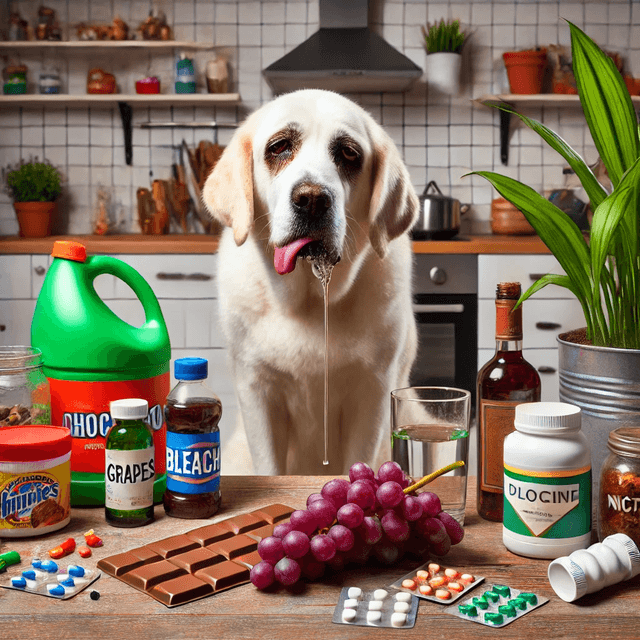
Chocolate contains theobromine and caffeine, two methylxanthines that can affect a dog's nervous system and cardiovascular function.
Possible signs include:
Vomiting and diarrhea
Restlessness or agitation
Increased thirst and urination
Rapid heartbeat
Tremors or seizures in severe cases
Dark chocolate and baking chocolate generally contain higher concentrations of methylxanthines than milk chocolate. The amount consumed and the dog's size are important when assessing risk. [2]
For detailed symptoms and clinical considerations, see How to Spot Signs of Chocolate Poisoning in Dogs: A Vet-Approved Guide.
Xylitol is a sugar substitute used in some sugar-free chewing gums, candies, baked goods, dental products, and medications.
In dogs, xylitol can cause a rapid and potentially dangerous fall in blood glucose. Larger exposures may also cause liver injury.
Warning signs can include vomiting, weakness, difficulty walking, collapse, and seizures.
Do not wait for symptoms if a dog may have consumed xylitol. Contact a veterinarian or animal poison-control center immediately. [3]
Grapes and raisins can cause acute kidney injury in susceptible dogs.
The amount associated with toxicity is variable, and the severity cannot reliably be predicted simply by counting the grapes or raisins consumed.
Signs may include vomiting, reduced appetite, lethargy, abdominal discomfort, and changes in urination. Kidney injury can develop after the initial exposure.
Any suspected ingestion warrants prompt veterinary advice rather than waiting for symptoms. [4]
Onions, garlic, and chives contain compounds that can damage red blood cells in dogs. Significant exposures may lead to anemia.
Other potentially harmful foods include alcohol-containing products, macadamia nuts, and certain foods or drinks containing caffeine.
Not all food exposures have the same level of risk. The specific food, quantity, preparation, and dog's characteristics determine the appropriate response. [5]
Human medicines are an important source of accidental poisoning in pets.
Potential hazards include:
Pain relievers such as ibuprofen and naproxen
Antidepressants and other psychiatric medications
Certain heart and blood-pressure medications
Attention-deficit medications and other stimulants
Vitamins and dietary supplements containing potentially harmful ingredients
The severity of poisoning varies by drug, dose, and animal.
Never give a dog human medication unless a veterinarian has specifically directed its use.
Store prescription drugs, over-the-counter products, supplements, and medicated creams in secure locations, including items kept in handbags or backpacks. [6]
Household cleaners, rodenticides, insecticides, fertilizers, antifreeze, and some garden products may cause poisoning or local chemical injury.
Certain pesticides can cause serious neurological symptoms, including tremors and seizures.
The ASPCA's October 2026 review of potentially life-threatening pet exposures specifically highlighted hazards such as metaldehyde-containing slug bait, certain human medications, and other highly toxic substances. [7]
The exact product and active ingredient are essential to risk assessment. A product described as natural, organic, or pet-friendly should not automatically be assumed safe for ingestion.
Some houseplants and garden plants can harm dogs when chewed or swallowed.
Potential effects range from oral irritation and gastrointestinal upset to neurological or cardiovascular toxicity, depending on the plant and the part consumed.
Not all plants are equally dangerous, and risks differ between dogs and cats. For example, true lilies are particularly concerning for cats, while many plant exposures in dogs have different clinical consequences.
For a more detailed discussion of seasonal plant hazards, see Toxic Holiday Plants: Keep Your Family and Pets Safe.
If your dog eats an unidentified plant, preserve a sample or clear photograph for veterinary identification, provided this can be done safely.
The signs of poisoning vary considerably by substance. Some appear within minutes, while others develop hours or longer after exposure.
Possible gastrointestinal symptoms include:
Vomiting
Diarrhea
Excessive drooling
Abdominal discomfort
Reduced appetite
These signs have many causes besides poisoning and cannot identify the toxin on their own.
Some poisonings may cause:
Unusual agitation or confusion
Weakness or difficulty standing
Loss of coordination
Tremors
Seizures
Marked sedation or unresponsiveness
These symptoms can indicate a serious medical problem and warrant urgent veterinary assessment.
Potentially severe signs include:
Difficulty breathing
Collapse
Profound weakness
Abnormally fast or slow heart rate
Pale or abnormal-looking gums
A dog that is struggling to breathe, collapsing, having seizures, or becoming unresponsive requires emergency veterinary care.
Yes.
Certain exposures can initially appear harmless while serious complications develop later.
For example, xylitol may cause hypoglycemia and liver injury, while grape or raisin ingestion may lead to delayed kidney dysfunction. [3] [4]
The absence of symptoms should not be used as the sole reason to delay veterinary consultation after a potentially dangerous exposure.
If it is safe to do so, move the dog away from the suspected source.
Do not risk your own safety when dealing with dangerous chemicals, fumes, pesticides, or other hazardous substances.
Call your veterinarian or an emergency veterinary clinic promptly.
In the United States, additional resources include:
ASPCA Animal Poison Control Center: 888-426-4435
Pet Poison Helpline: 855-764-7661
Consultation fees may apply.
Provide the animal's weight, age, suspected substance, amount, time of exposure, and any current symptoms.
If the dog has severe symptoms, seek emergency veterinary care immediately. [8] [9]
Inducing vomiting is not appropriate for every poisoning.
It can be dangerous after exposure to corrosive substances or in dogs with reduced consciousness, seizures, or difficulty protecting their airway.
Do not give hydrogen peroxide, activated charcoal, salt, milk, oils, or other home treatments unless a veterinary professional specifically recommends them.
Attempting treatment without knowing the toxin may delay appropriate care or create additional complications. [8]
If available, bring the product packaging or a photograph of the ingredient list.
Useful details include:
Product name and active ingredients
Estimated quantity involved
Time of exposure
Dog's approximate weight
Symptoms and when they started
Medications or medical conditions relevant to treatment
Do not delay emergency care while collecting this information.
Prevention is particularly important because some toxic exposures occur when an apparently harmless product is left within reach.
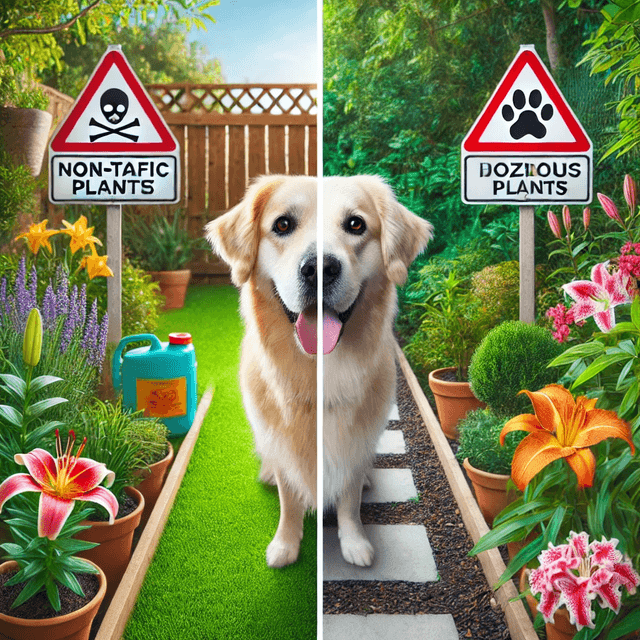
Keep medicines, supplements, cleaning products, and pesticides in closed cabinets or other secure storage.
Do not leave tablets, medicated creams, or supplements on low tables, in open bags, or on the floor.
Secure chocolate, grapes, raisins, sugar-free sweets, and other foods that may contain harmful ingredients.
Check product labels for xylitol, especially in sugar-free items and certain dental products.
Identify potentially hazardous plants and keep dogs away from recently treated lawns, pesticides, and unsecured garden chemicals.
Do not leave slug bait, rodenticide, fertilizer, or other hazardous products where animals can access them.
Secure household waste and discarded medications.
Keep leaking containers, chemical spills, nicotine products, and other potentially hazardous materials away from pets.
Save your veterinarian's contact information and the nearest emergency veterinary hospital.
Keep animal poison-control numbers accessible, especially when traveling with a dog.
A general human poison-control service should not be treated as a substitute for veterinary advice. [9]
Early signs may include vomiting, drooling, unusual behavior, weakness, or loss of coordination. However, symptoms depend on the toxin, and some dangerous exposures have delayed effects.
Symptoms can develop rapidly or be delayed for several hours or longer. The specific substance, dose, and exposure circumstances determine the timing.
Not without veterinary instructions. Inducing vomiting can be dangerous in some circumstances and is not appropriate for every substance.
Many dogs recover with appropriate care, but the prognosis depends on the toxin, exposure amount, complications, and how promptly treatment begins. Some exposures may cause severe or lasting injury.
Contact a veterinarian or animal poison-control service promptly. Identify the product and estimated amount and avoid waiting for symptoms to appear.
Common dog poisoning hazards include certain foods, human medications, household chemicals, pesticides, and plants.
Recognizing warning signs is important, but knowing when to act before symptoms develop can be equally important.
The safest response to a suspected significant exposure is prompt veterinary consultation, accurate identification of the substance, and avoidance of unapproved home treatments.
Keeping hazardous products securely stored, checking ingredients, and preparing for emergencies can substantially reduce preventable exposures.
© All copyright of this material is absolute to Medical toxicology
Dr. Omid Mehrpour (MD, FACMT) is a senior medical toxicologist and physician-scientist with over 15 years of clinical and academic experience in emergency medicine and toxicology. He founded Medical Toxicology LLC in Arizona and created several AI-powered tools designed to advance poisoning diagnosis, clinical decision-making, and public health education. Dr. Mehrpour has authored over 250 peer-reviewed publications and is ranked among the top 2% of scientists worldwide. He serves as an associate editor for several leading toxicology journals and holds multiple U.S. patents for AI-based diagnostic systems in toxicology. His work brings together cutting-edge research, digital innovation, and global health advocacy to transform the future of medical toxicology.
Keep reading
 Public Health and Poison Prevention
Omid Mehrpour
 Public Health and Poison Prevention
Omid Mehrpour
 Public Health and Poison Prevention

Sherika Whitelocke
 Public Health and Poison Prevention
Omid Mehrpour
We would like to use analytics and session-replay tools to understand how this site is used. They are optional and the site works fully without them. Signing in still needs its own cookie either way. Our Privacy Policy names each one.